Triumph TR7 History
The last Triumph sports car, with the TR8, began as a Triumph project called Bullet and ended as a Longbridge wedge, planned for America, built in three factories and outlived by nothing that was meant to follow it.
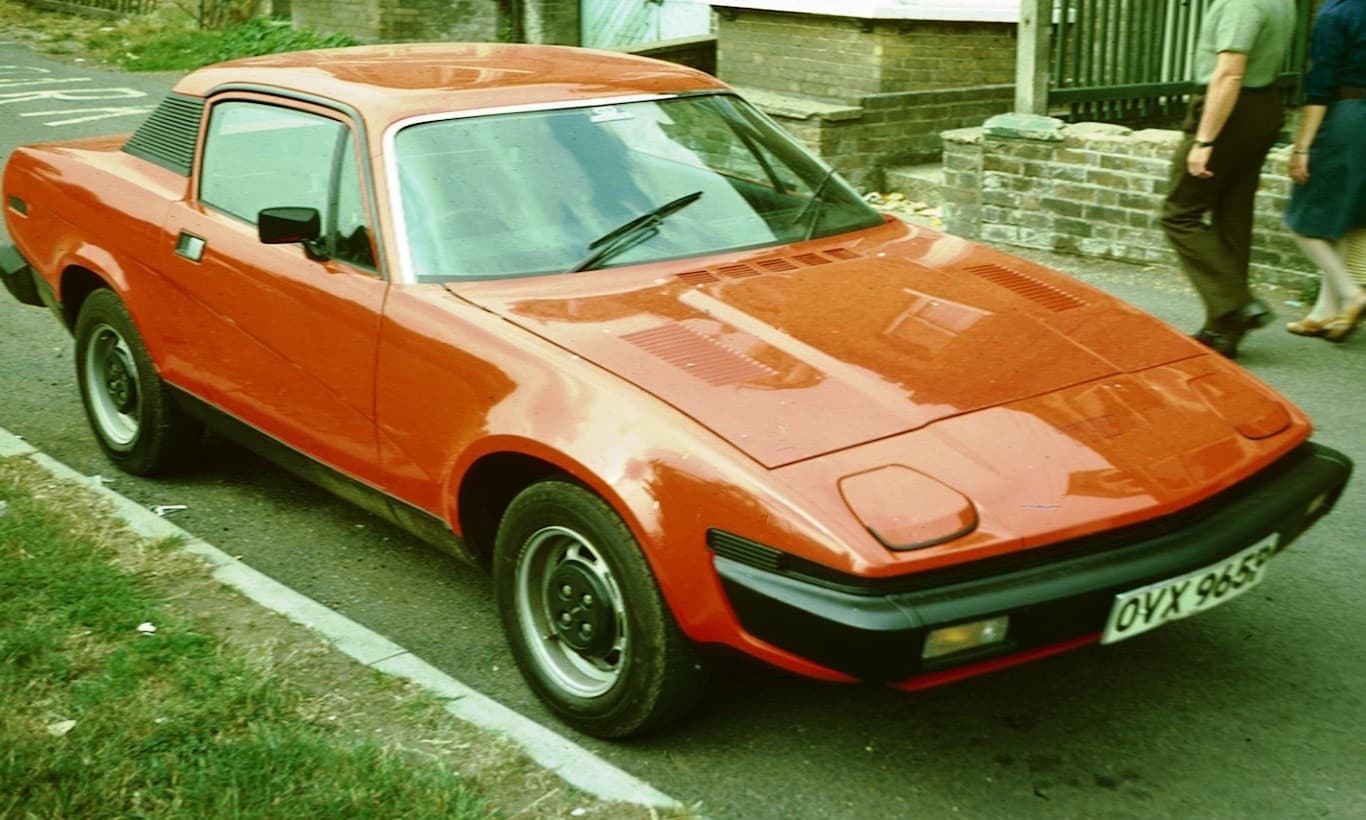
Early in 1975 Motor Sport was shown the new Triumph at a cocktail party in British Leyland's headquarters in Piccadilly, London: a sneak preview, the magazine called it, before the car's launch to the American press at the end of January. Its readers could read about the TR7; they could not buy one.
Only the Americans will have the initial pleasure or otherwise of the long rumoured TR7, which goes on sale in the USA this month.
The magazine was early: the TR7 reached American showrooms, in limited numbers, in April. Pilot production had begun at Speke, Liverpool, in September 1974, and the last car was built at Solihull in October 1981. In between, the TR7 changed factory twice, gained the convertible it had been designed without, and became the best-selling TR of all. It was also, with the TR8, the last TR: every successor British Leyland planned for it was cancelled.source 1source 2source 3source 4source 5source 6
Bullet and the Magna, 1968–71
The merger of 1968 put MG and Triumph in one company, and by early 1969 it had five sports cars that overlapped: the MG Midget and MGB, and the Triumph Spitfire, GT6 and TR6. Triumph was already at work on what should come next. By the time the TR6 appeared in January 1969, Ate Up With Motor writes, citing David Knowles, Triumph had two projects: Bullet, a roadster by its styling chief Les Moore to replace the TR6, and a first Lynx, a 2+2 by Moore and Giovanni Michelotti to replace the GT6. Leyland cancelled that Lynx in 1969 and kept Bullet, as a possible replacement for both the TR6 and the MGB; AROnline describes it as a successor to the TR6 and GT6, worked on at Canley from 1969. At Longbridge, MG had its own answer, ADO21, a mid-engined wedge by Harris Mann and Peter Hughes.
In late 1970 Mike Carver, of BL's Central Product Planning, went to the United States with Spen King, Triumph's technical director. Carver later said the trip was "extended conversations with relevant parties" rather than market research; what the dealers wanted was a conventional car, engine in front and drive at the back, that they could fix. That decided the layout, and it went against MG's mid-engined car. From the start of 1971 BL backed Bullet, and Lord Stokes wanted it ready for 1975. But Bruce McWilliams, who headed BL's American company, thought its styling dated, Ate Up With Motor writes, and it could not meet a proposed American rule on roof crush.
BL's committee for its corporate sports car asked Harris Mann's team at Longbridge for an alternative: a conventional car with something of ADO21's look, drawn as a notchback wedge with a targa roof and built as full-size mock-ups called the MG Magna. Triumph had Michelotti help revise Bullet, and William Towns prepared a reserve design. In July 1971 BL's management preferred the Magna. Only Spen King, Triumph's sales chief Lyndon Mills and Sir William Lyons spoke for Bullet, and Stokes ruled that the new car would be engineered and sold by Triumph, not MG. The MGB, AROnline writes, would carry on as BL's open car, and the new one would be priced above it.
Over at Triumph, they couldn't re-engineer the TR6 to get it into the States. They asked us to do a replacement concept, in just weeks.
Under Mann's body went Triumph's engineering: a monocoque, MacPherson struts in front, and at the back a live axle on four links and coil springs, because King distrusted the independent rear ends of the day. The gearbox (transmission) and axle came from the Dolomite saloon (sedan), and the slant-four was enlarged and given an eight-valve head, with a V8 and the Dolomite Sprint's 16-valve head planned for later. The Magna's lift-out roof panel proved troublesome to engineer and was dropped, and the TR7 was planned as a fixed-head coupé only, because American rule-makers were expected to outlaw open cars.source 3source 2source 7
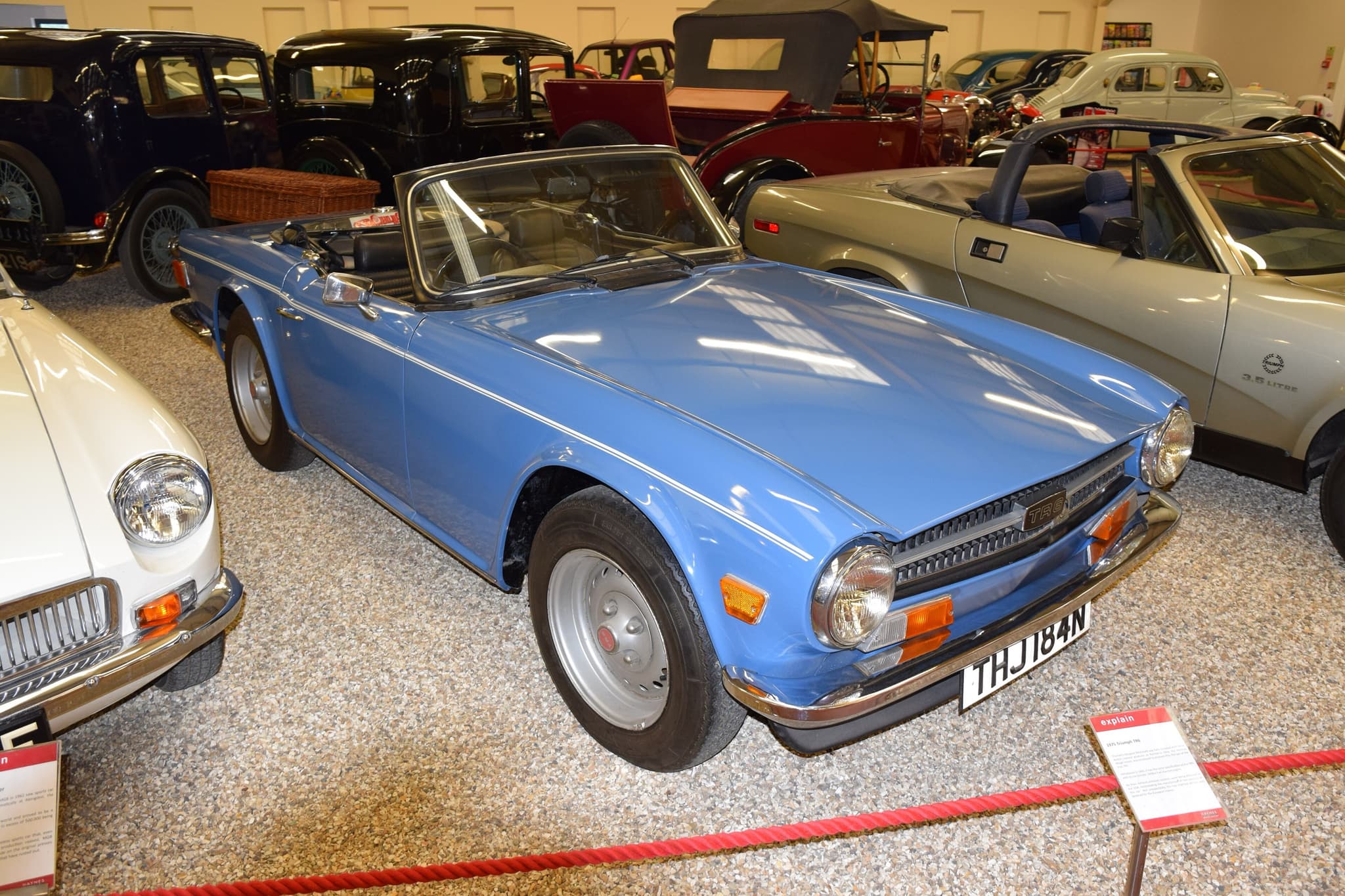
Speke and the family plan, 1972–74
In April 1972 BL decided that Speke No. 2, Triumph's newer plant in Liverpool, would become its sports-car factory, building the TR7 and a family around it. A second Lynx, a 2+2 hatchback on the TR7's running gear styled by John Ashford, was under way from 1971–72. With the Lynx, a Sprint and a V8, the family was expected to reach about 80,000 cars a year, Ate Up With Motor writes. When the car was launched, The Times reported, as reproduced by AROnline, an investment of £11 million and a target of 60,000 to 70,000 TR7s a year.
It came slowly. Rover and Triumph were merged early in 1973, and the TR7 reached pilot production only in mid-1974, too late to replace the TR6 before the American bumper rules took effect. Pilot production began at Speke in September 1974, and BL's own figures record the first TR7s built in its financial year that ended that month. Sir Don Ryder's study of British Leyland followed, and with it the company's nationalisation, completed in August 1975. How far the Lynx got before it was abandoned is told on its page.
Launch in America, 1975
The American press saw the car at the end of January 1975, and an AROnline caption places its show debut at Chicago that year. Dealers sold it beside the TR6, not in its place. It reached showrooms in limited numbers in April 1975, as the American importer's owners' newsletter told its readers a year later, and by the same account more than 9,000 were sold in its first year.
The American cars had a federal engine, with lower compression than the British car would get and Zenith-Stromberg carburettors, and the Californian cars were weaker again, on one carburettor. The specifications give each tune's rating, and the North American TR7s page takes the cars one model year at a time. Moulded overriders (bumper guards) on bumpers built for the American impact rules made the car longer than it would be elsewhere. Ate Up With Motor places its price between the MGB tourer's and the TR6's, and its advertisements made a selling point of the shape.
The American press, AROnline writes, was generally impressed, except by the styling; Ate Up With Motor calls the reception mixed, and the road tests collect what the magazines said. Early cars brought complaints of overheating, head gaskets, timing chains and electrics; the North American page follows the warranty bills, Ralph Nader's complaint and the owners' lawsuit that came of them.source 1source 2source 3source 6source 10
Launch in Britain, 1975–76
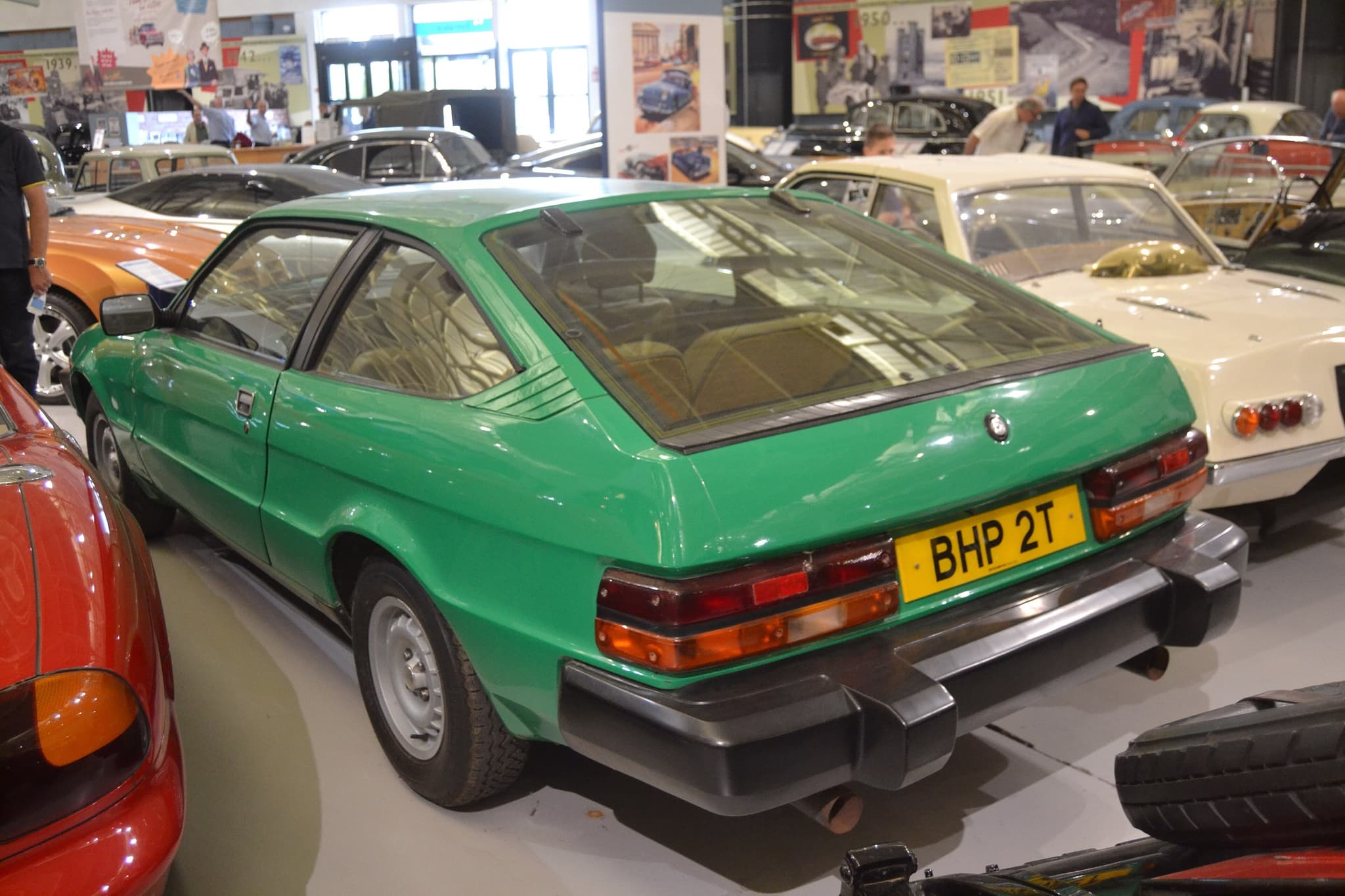
Britain saw its first TR7 at the London Motor Show in October 1975: a green show car on the stand. Motor Sport reported that Speke was building about 600 TR7s a week, and that BL's public relations director expected the TR6 to continue at 150 a week until June 1976. The car for Europe was shown at Geneva in March 1976.
The British TR7 went on sale on 19 May 1976, when an embargo lifted. Motor Sport's Clive Richardson had driven one on the press launch, a run into Wiltshire, in a party of 20 cars and nearly 40 journalists. The British car had twin SU carburettors, a higher compression ratio, more power than the American car and smaller bumpers; the specifications give its figures and Leyland's claims for it. It cost £16 more than a Ford Escort RS2000, Motor Sport noted, and AROnline adds that it was £696 cheaper than a 3.0-litre Capri. A month later, in June 1976, Leyland stopped selling the MGB and the Midget in Europe.source 11source 2source 9source 3
The Speke years, 1976–78
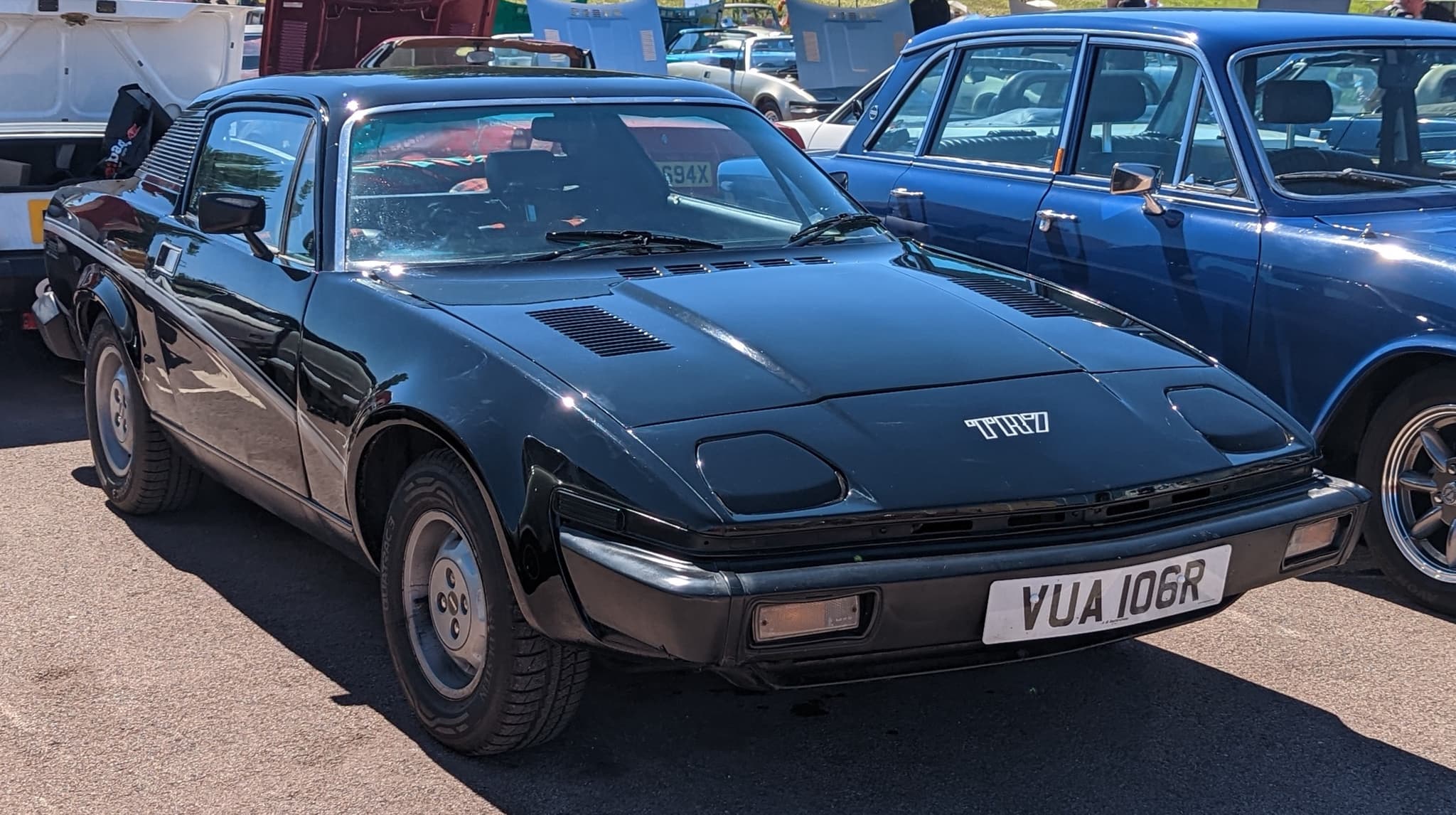
More TR7s were built in 1976 than in any other year, and Speke was already changing the car as it built it. Early in 1977 its springs were shortened to lower the ride by about 25 mm (1 in), and from March 1977 the seats had tartan inserts, with revised suspension settings, new wheel trims and lamps for the map and the boot. The works team at Abingdon had begun rallying TR7s in 1976.
Then the year went badly. Speke No. 2 lost much of March, September and October 1977 to disputes at suppliers and at other BL plants, and on 1 November, AROnline writes, the day Michael Edwardes became BL's chairman, its workers began the plant's first strike. According to the union's own 1978 account, as summarised by Ate Up With Motor, the cause was management's ending of a 1973 agreement on how jobs were timed. It lasted about four months; the BBC put it at 17 weeks.
BL's decision to close the plant was on the news on 15 February 1978, and next day Eric Heffer told the Commons that the closure would cost 3,000 jobs where 90,000 people already had none. The workers gave up their fight in May, and the plant closed; the Lynx and the TR7 Sprint ended with it. Who was to blame for the TR7's quality, the workforce or the management, is still argued, and where the TR7 was made sets out both sides.source 5source 2source 11source 4source 12source 13source 3source 14
Canley, 1978–80
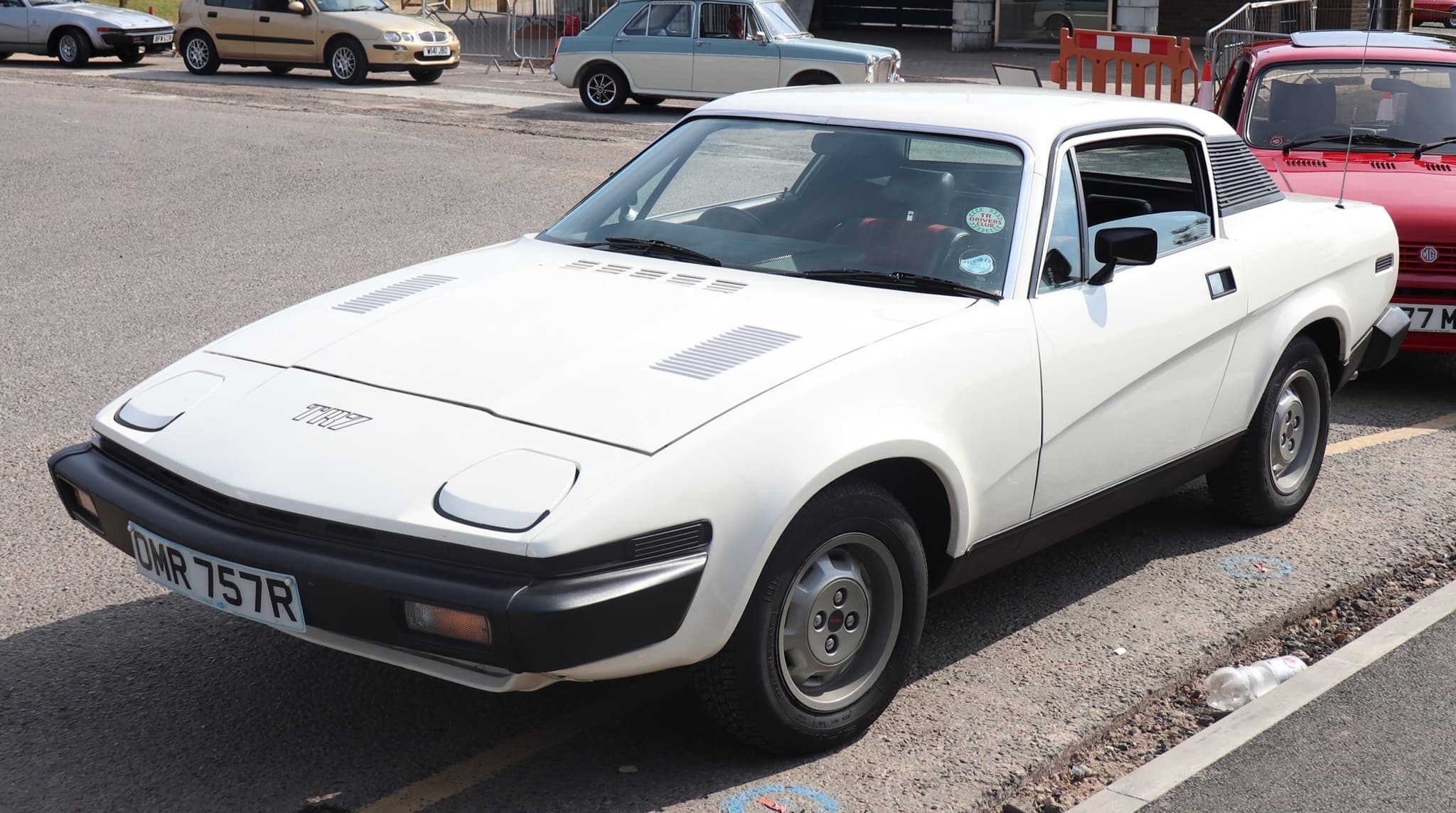
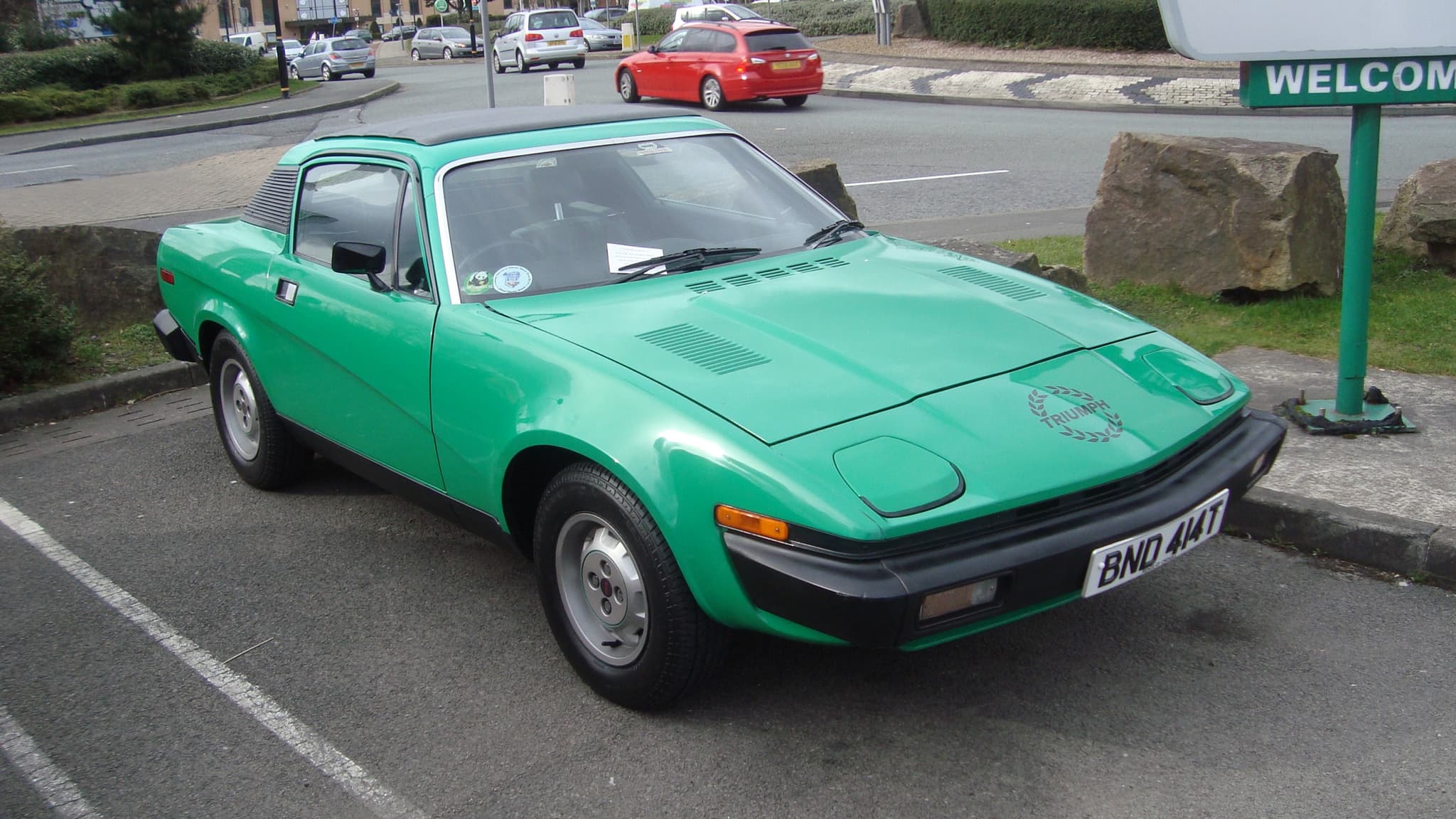
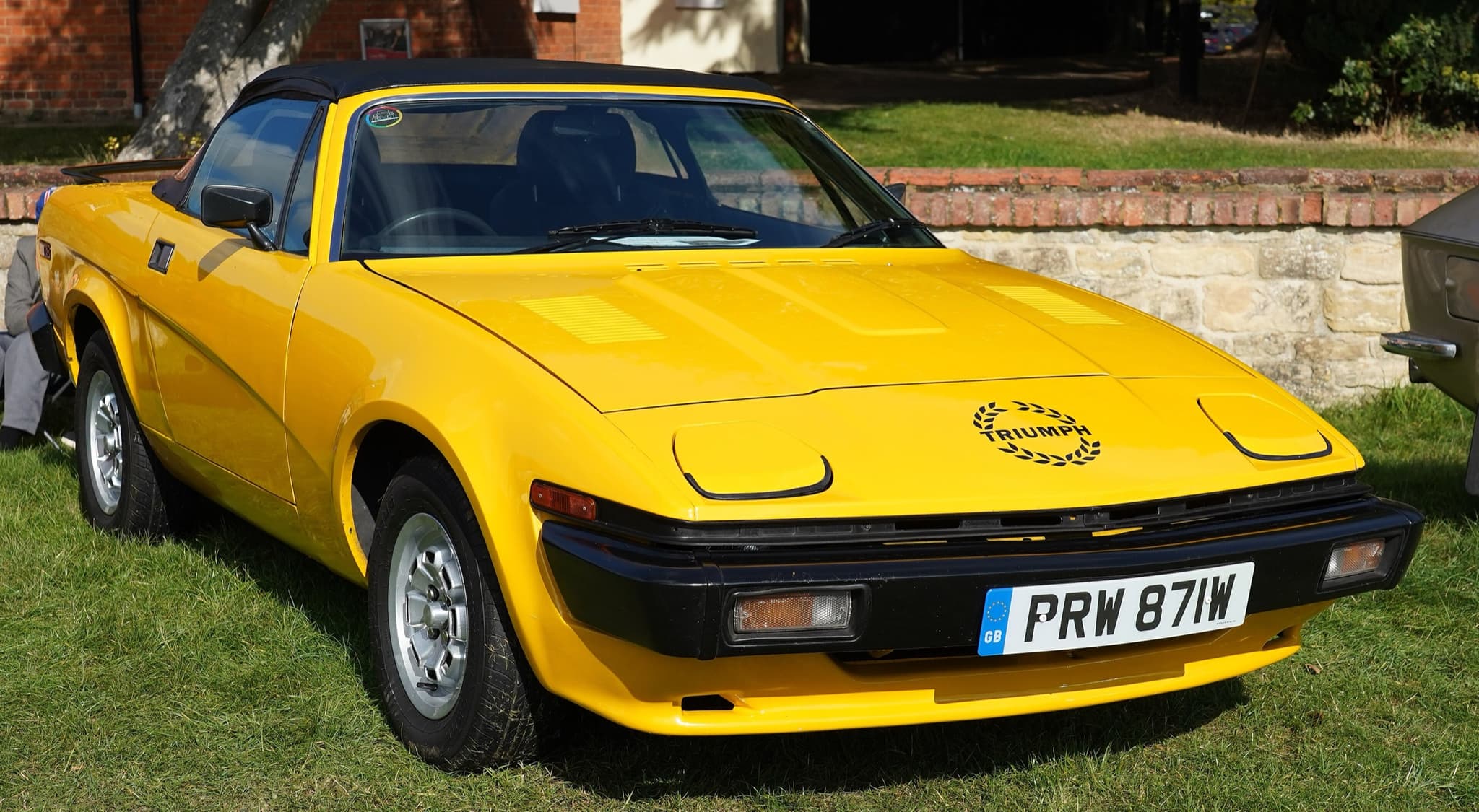
The TR7 came back at Canley, Triumph's home works in Coventry, in October 1978; Ate Up With Motor adds that its bodies were now pressed by Pressed Steel Fisher at Swindon. Jeff Herbert, Rover Triumph's managing director, wrote to Motor Sport that the move had brought more than 200 improvements. Canley made the five-speed gearbox standard, an option since the 1976 model year, and paired it with a version of the SD1's axle and bigger rear brake drums; the nose wore a laurel-wreath badge; the cooling, the fuse box and the protection against stone chips were revised; and the later Canley cars wore the V8's bonnet (hood), with its second bulge.
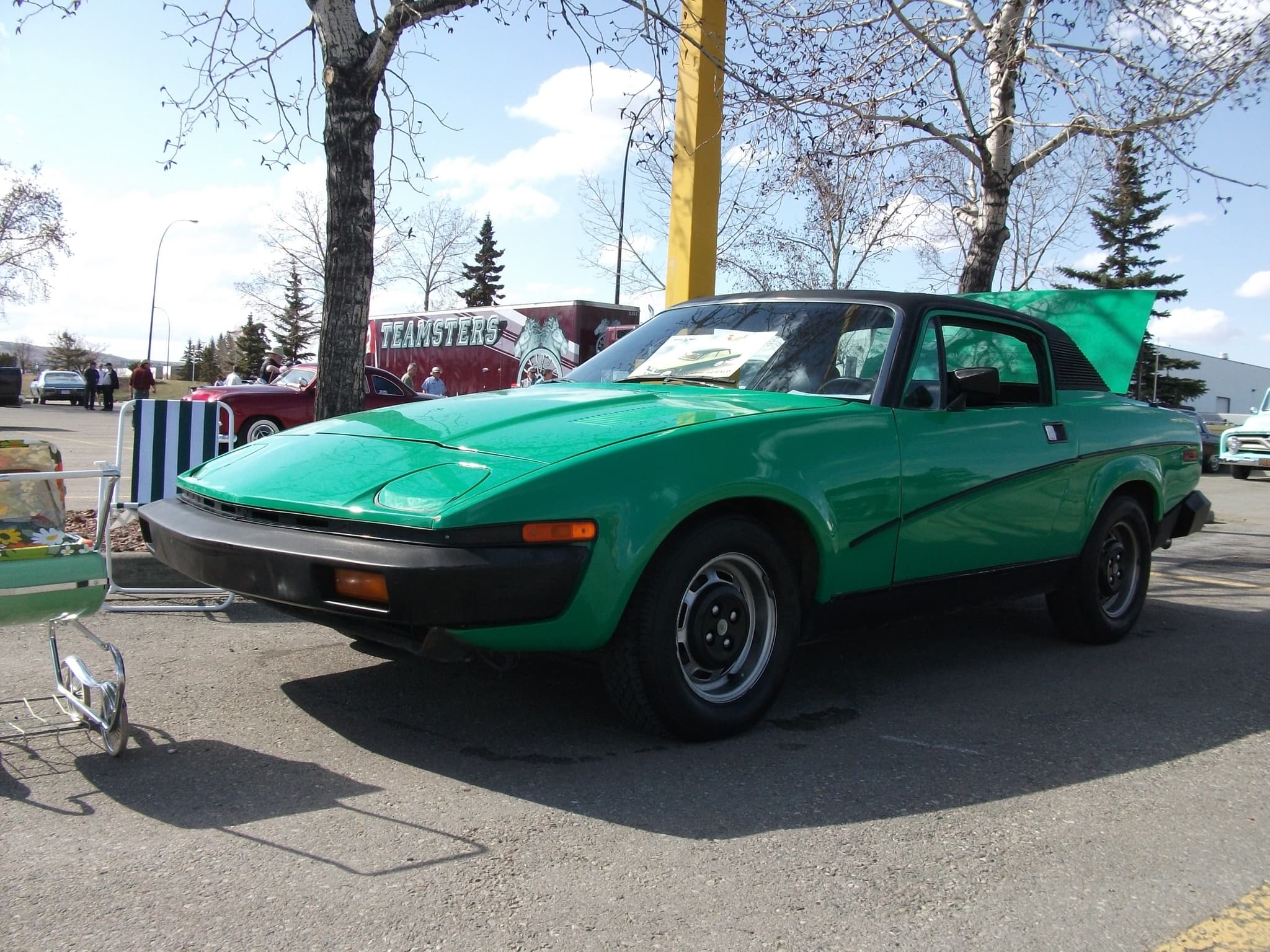
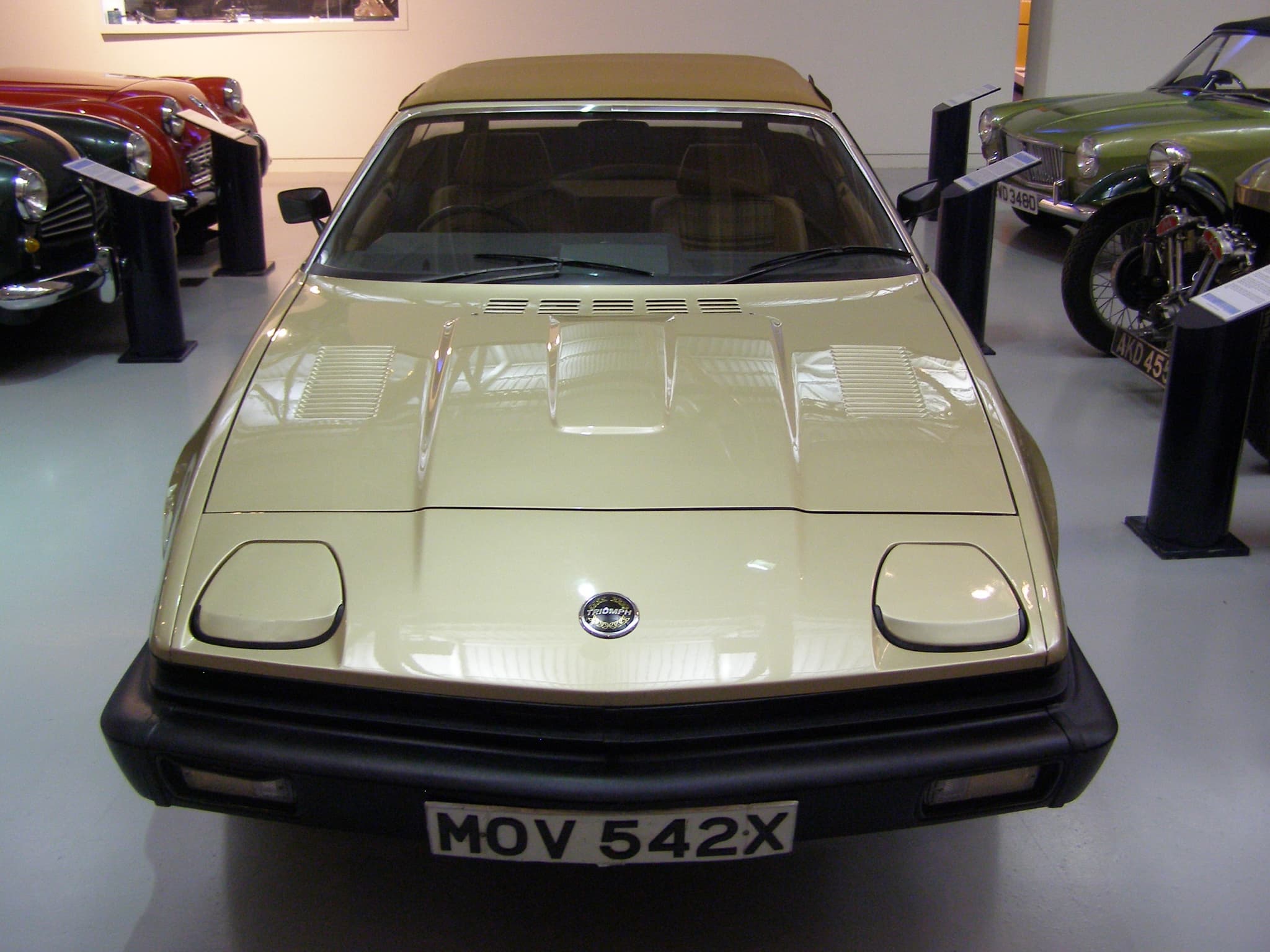
The convertible followed: on sale in America in July 1979 and in Britain in March 1980. The V8 car, the TR8, went into pre-production at Canley at the same time; its story will be told on the TR8's own site, triumph-tr8.com. On the rally stages the works TR7 V8 gave the car its best results: Tony Pond won the 24 Hours of Ypres and the Manx in 1978, and both again in 1980.
Canley did not last either. In September 1979 BL announced that MG's Abingdon works would close, and before long it set the autumn of 1980 for the end of car assembly at Canley.source 15source 3source 5source 2source 16source 17source 18source 14
Solihull and the end, 1980–81
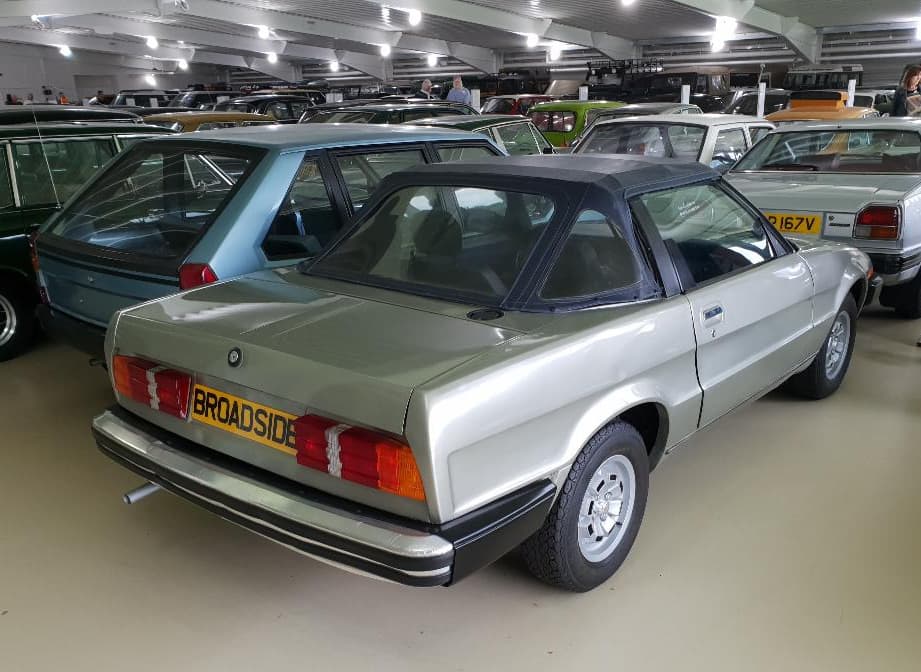
On 1 April 1980 Rover's plant at Solihull, where the SD1 was built, began building TR7s, and Canley went on building them until August 1980. Solihull's first run, by Michael Hart's count of the build cards, was all convertibles for North America, the TR7 Spider among them. BL still had plans: an MG-badged TR7 called the Boxer, cancelled by the middle of 1980; a TR7 with BL's O-Series engine for the autumn of 1981; and the Broadside, a longer coupé and convertible, for 1983.
In May 1981 BL announced that it would stop building cars at Solihull, and the TR7 with them. BL's Ray Horrocks said production could go on if demand improved "significantly", in AROnline's quotation. Motor Sport wrote the obituary that August: "The Triumph TR7 sportscar now goes the way of the MG, into extinction." By the 1981 model year, Ate Up With Motor notes, American buyers were being offered rebates on new cars.
The last TR7, by chassis number, was built at Solihull in October 1981: number 408534, a right-hand-drive drophead for the home market, which went straight into BL's heritage collection. A few TR8s may have left the line after it. In Canada, dealers went on to advertise new cars as 1982 TR7s.
The TR7 could have gone on longer, but the company ran out of money.
Production
No single figure answers how many TR7s were built, because British Leyland's own tables count the TR7 and the TR8 together. One, by calendar year, has rows for BL's TR7 FHC, TR7 DHC and TR8, though its 1979 FHC row also holds the first American convertibles; the other counts by factory and by BL's financial year, which ran from October, and its Speke entry for 1975–76 covers 15 months. Take the TR8 rows out of the calendar-year table and what is left is the TR7's total, the one the TR Register prints. Neither table says whether pre-production, rally or personal-export cars are in.
Identification sets the totals side by side, each with its source. However they are counted, more TR7s were built than any other TR.
Before and after
The TR7 replaced the TR6, but not at once, and in America not at first.
Contrary to expectations this ultra-modern looking, wedge-shaped, 2-litre, two-seater will not replace the TR6, for the time being at least, and will be sold alongside the TR6 in USA British Leyland showrooms.
The last fuel-injected TR6 was built on 7 February 1975, and the last TR6 of all, for America, on 15 July 1976. Beside the TR7 stood the MGB. BL kept it as its open car, withdrew the MGB GT from North America in December 1974, probably, Ate Up With Motor suggests, so that it would not compete with the TR7, and ended the MGB in 1980; the TR7 outlived it. The rivals page sets the TR7 against the cars it was sold against. The TR6's own site, triumphtr6.org, will compare the TR6 and the TR7.
After the TR7 there was nothing. The Lynx, the Broadside and the MG Boxer were all cancelled, and the TR8 ended with it. The Triumph name ended on the Acclaim, a version of the Honda Ballade, in June 1984; in AROnline's account, nothing took the place of the TR7 and the MGB until the MGF of the mid-1990s.source 1source 26source 27source 2source 3source 20source 4
Sources
Every source the site cites is on the sources page.
- Primarymade at the time, by the maker or by people who were there
- Referenceserious later work: clubs, specialists, magazines, books
- Uncheckedencyclopaedias and enthusiast sites: cited beside a good source, named in the sentence, or marked Unchecked
- Clive Richardson ("C.R."), "The TR7 makes a quiet British bow", Motor Sport, Feb 1975, p. 30, p. 30, the Piccadilly preview; "goes on sale in the USA this month"; p. 30, the American press launch, end of January 1975; p. 30, the American press launch; sold alongside the TR6; p. 30, "Contrary to expectations …". motorsportmagazine.com/archive/article/february-1975/30/the-tr7-makesa-quiet-british-bow Primary
- Aaron Severson, "Way of the Wedge: The Triumph TR7 and TR8", Ate Up With Motor, 5 Feb 2012, pp. 1–5, pp. 1–5; p. 1, Les Moore's Bullet, the first Lynx, ADO21, Spen King at Triumph; p. 2, McWilliams, the roof-crush rule, the Magna mock-ups, Michelotti and Towns, July 1971, the layout and the roof; p. 2, Speke No. 2 chosen in April 1972; the family and its volume; the 1973 merger; pilot production in mid-1974; Ryder and nationalisation; p. 2, the federal engines; p. 3, the press introduction, the reception, April on sale, prices, the advertising, the early complaints; p. 3, Geneva, March 1976; the end of European MGB and Midget sales; p. 2, the lower ride height; p. 3, the spring of 1977; p. 4, the 1977 stoppages, the strike and its cause, the closure; p. 3, the second bulge; p. 4, Swindon, the closures of Abingdon and Canley; p. 4, the Boxer, the O-Series TR7, the May 1981 announcement, rebates by the 1981 model year; p. 3, the MGB GT withdrawn from North America; p. 4, the cancelled family, the end of the MGB, the Acclaim. ateupwithmotor.com/model-histories/triumph-tr7-tr8 Reference
- Keith Adams, "The Cars: Triumph TR7/TR8 development story", AROnline, updated 8 Feb 2024, timeline: September 1974 to October 1981; the best-selling TR; BL's five sports cars; Bullet from 1969; the US trip of late 1970 and Carver's account; Stokes and 1975; the MGB to carry on; timeline, September 1974; Chicago show caption; the US press generally impressed; £696 less than the 3.0-litre Capri; timeline, May 1978; the Lynx and the Sprint; timeline, October 1978 and July 1979; the bonnet bulge; the TR8's pre-production; timeline, August 1980 and October 1981; TR7s built beside the SD1; Horrocks's "significantly"; the best-selling TR; the MGB as BL's open car; the TR7 outlived it. aronline.co.uk/cars/triumph/tr7-tr8/bullet-development-story Reference
- Keith Adams, "Concepts and Prototypes: Triumph Lynx (1972–1978)", AROnline, 20 Jan 2024, "commencement of TR7 production in September 1974"; the second Lynx, from 1971–72; September 1974; 1 November 1977, Edwardes's first day; the Lynx's end. aronline.co.uk/cars/triumph/tr7-tr8/triumph-lynx Reference
- Paul Towle and Rex Holford (update) and Mark Elbers (update), "TR7 & TR8 Identification & Production Data Explained", TR Drivers Club, 1987, updated (© 2016), Speke, Canley and Solihull sections; Speke, BL figures for the financial year to September 1974; BL production by calendar year: 1976 the biggest year; Canley section; Solihull section: from April 1980; the last car, 408534; BL production tables a (by factory, financial years) and b (by calendar year), with the TR8 rows; the round total. trdrivers.com/tr7_-_tr8_vin_numbers.htm Reference
- Triumph Sports Owners Association, Triumph Sports Owners Association Newsletter, May–June 1976, May–Jun 1976, the first sales, April 1975; April 1975; the first year's sales. vintagetriumphregister.org/tsoa/TSOAMayJun76.pdf Primary
- Richard Gunn, "Obituary: Harris Mann 1938–2023", AROnline, 15 Aug 2023, the 2005 interview with Richard Gunn: "Over at Triumph …"; "The TR7 could have gone on longer …". aronline.co.uk/people/harris-mann Reference
- AROnline, "Archive: The Triumph TR7 is launched", The Times and Daily Express, 20 Jan 1975, The Times, 20 January 1975: the investment and the yearly target. aronline.co.uk/cars/triumph/tr7-tr8/archive-the-triumph-tr7-is-launched Primary
- Clive Richardson ("C.R."), "Triumph TR7: sports car or two-seater saloon?", Motor Sport, Jun 1976, p. 63, p. 63, on sale in Britain, 19 May 1976; p. 63, 19 May 1976; the press drive; £16 more than the RS2000; the British specification. motorsportmagazine.com/archive/article/june-1976/63/triumpuh-tr7 Primary
- Triumph Sports Owners Association, Triumph Sports Owners Association Newsletter, November–December 1976, Nov–Dec 1976, "first introduced in the U.S. market in April, 1975". vintagetriumphregister.org/tsoa/TSOANovDec76.pdf Primary
- Motor Sport, News, editorials and short items on the TR7 (group), Jul 1975 – Aug 1981; Apr 2002, Nov 1975, p. 30: the green show car, 600 a week, the TR6 at 150 a week until June 1976; Apr 1977, p. 33, the March 1977 changes; Aug 1981, p. 27, "into extinction". motorsportmagazine.com/archive Primary
- BBC Liverpool, "The failure of Triumph in Speke", 8 Dec 2009, the 17-week strike; the workers' withdrawal in May 1978. news.bbc.co.uk/local/liverpool/hi/people_and_places/history/newsid_8401000/8401200.stm Reference
- House of Commons (Hansard), "British Leyland", HC Deb 16 Feb 1978, vol 944 cc680–2, c681: Heffer; the Speaker's "news last night". api.parliament.uk/historic-hansard/commons/1978/feb/16/british-leyland Primary
- Chris Turner (credited by the club), "The Works Triumph TR7 V8 Rally Cars" and the car pages (group), TR Drivers Club, rally history, 1976–80; rally history; Ypres 1978 and 1980. trdrivers.com/articles21/rallyhistory.html Reference
- Clive Richardson ("C.R."), "The Triumph TR7", Motor Sport, Jun 1979, p. 58, p. 58, October 1978; Jeff Herbert's letter; the Canley changes. motorsportmagazine.com/archive/article/june-1979/58/the-triumph-tr7 Primary
- Thos L. Bryant, "New from Britain: Triumph TR7 Convertible & TR8", Road & Track (reprinted by the TR Drivers Club), 1979, on sale in the US from July 1979. trdrivers.com/articles21/newfrombritain1.html Primary
- "C.R.", "The Triumph TR7 Drophead" ("Sunshine Seven"), Motor Sport, Apr 1980, p. 35, p. 35, the British launch, March 1980. motorsportmagazine.com/archive/article/april-1980/35/sunshine-seven Primary
- Motor Sport, Rally reports on the works TR7s (group), Jun 1976 – Jan 1981, Dec 1978, p. 68, the Manx 1978; Oct 1980, p. 102, the Manx 1980. motorsportmagazine.com/archive Primary
- Michael Hart, "Counting TR7 Spiders: A Day at the Gaydon Archive", Triumph Wedge Owners Association, © 2013, Solihull's build cards from 1 April 1980; the Spiders. triumphwedgeowners.org/spider Reference
- Keith Adams, "Concepts and Prototypes: Triumph Broadside (1979–1981)", AROnline, 2 Feb 2024, RT061, for 1983; the MGF. aronline.co.uk/cars/triumph/tr7-tr8/triumph-broadside Reference
- Keith Cox, "Gaydon cars with a TR7 connection", TR Drivers Club, the last TR7 and the heritage collection. trdrivers.com/articles21/gaydoncars.html Reference
- triumphtr8.com, Variant pages (group): "FHC TR8 (ACN) 1977", "FHC TR8 (TCN) 1978–1979", "TR8 (TCV) 1979 DHC", "TR8 (TP) 1980", "DHC TR8 (SAT) 1981/82", the last TR8s by number and by date. triumphtr8.com/fhc-tr8-acn-1977 Reference
- Chris Cowin, "History: Exporting British cars to Canada – Part Two: The British Leyland Years", AROnline, 19 Aug 2025, 1982 TR7s advertised in Canada. aronline.co.uk/history/exporting-british-cars-to-canada-pt2 Reference
- Malcolm Paris (compiler), "Triumph TR7 / TR7 V8 and TR8 Buyers Guide", TR Register, introduction, the TR7 total. tr-register.co.uk/resources/buyers-guide/triumph-tr7-tr8 Reference
- Wikipedia (EN), "Triumph TR7", 2026, infobox, citing Oldtimer Katalog no. 23 (2009), p. 336. en.wikipedia.org/wiki/Triumph_TR7 Unchecked
- Graham Robson (foreword), Triumph TR6 1969–1976 Parts & Accessories Catalogue, Rimmer Bros, edn 2.2 (source code TR600313), p. 5, the last TR6 PI, 7 February 1975, and the last TR6, CF58328U, 15 July 1976. rimmerbros.com/images/PDFs/TR6-Esther.pdf Reference
- Vintage Triumph Register, "TR6" (history, year-by-year changes, US production table, buyer's guide), last PI 7 February 1975; last TR6 15 July 1976. vintagetriumphregister.org/tr6 Reference