Triumph TR7 Versions
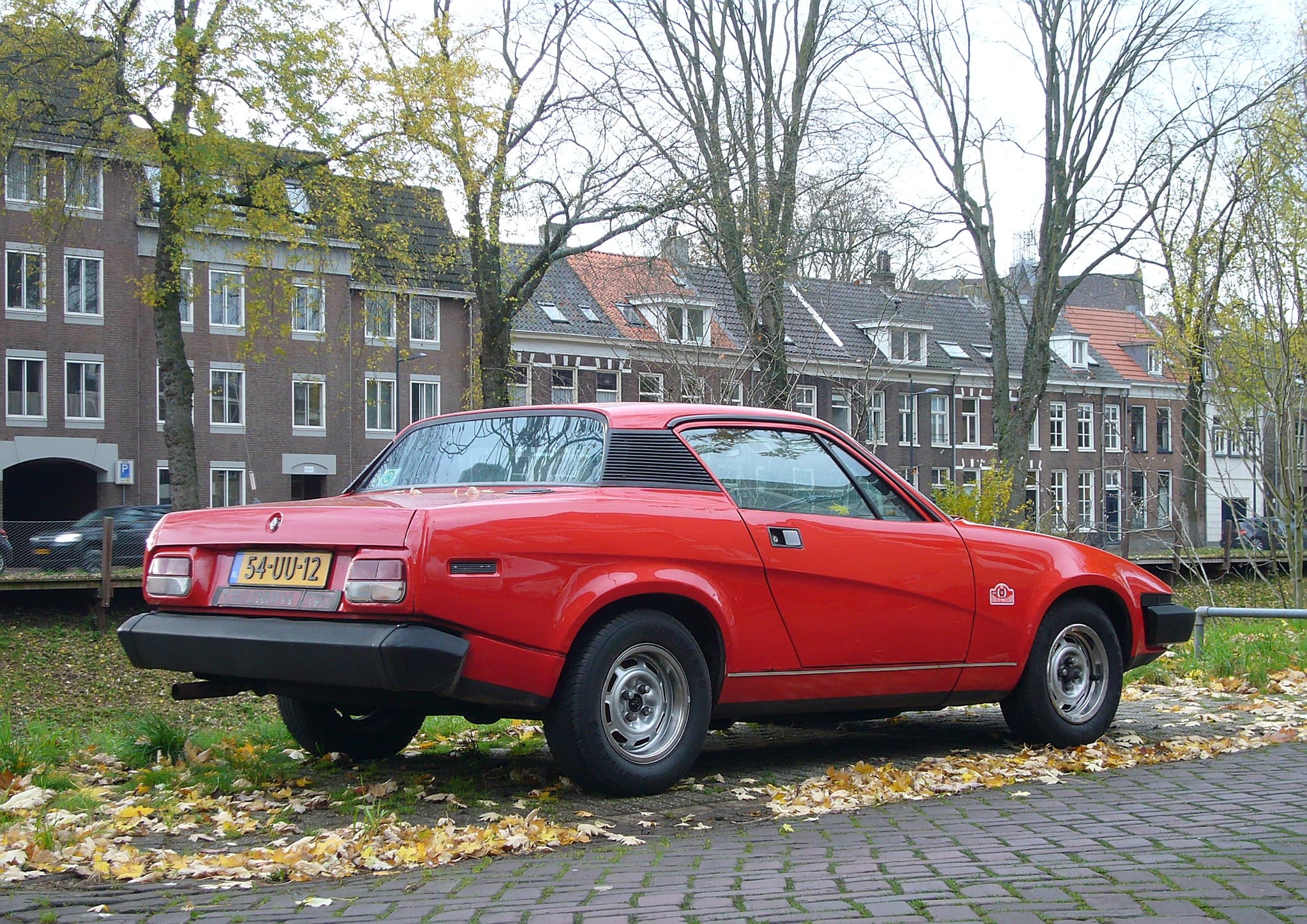
Two bodies and one engine that went on sale: the fixed-head coupé (FHC) from the start, the drophead coupé (DHC) from 1979, sold in America as the convertible, and the 16-valve TR7 Sprint, built but never sold. Each market had its own details.
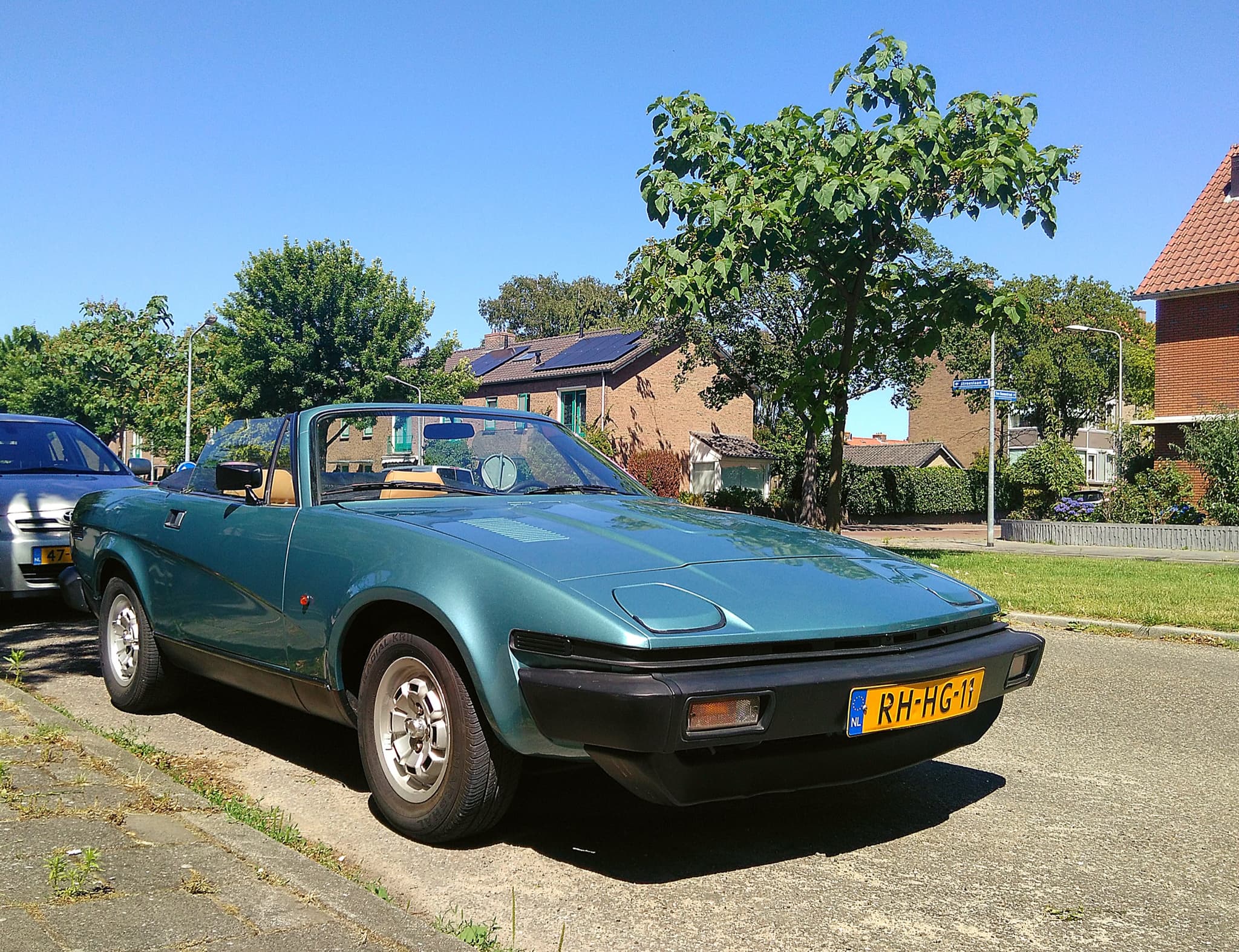
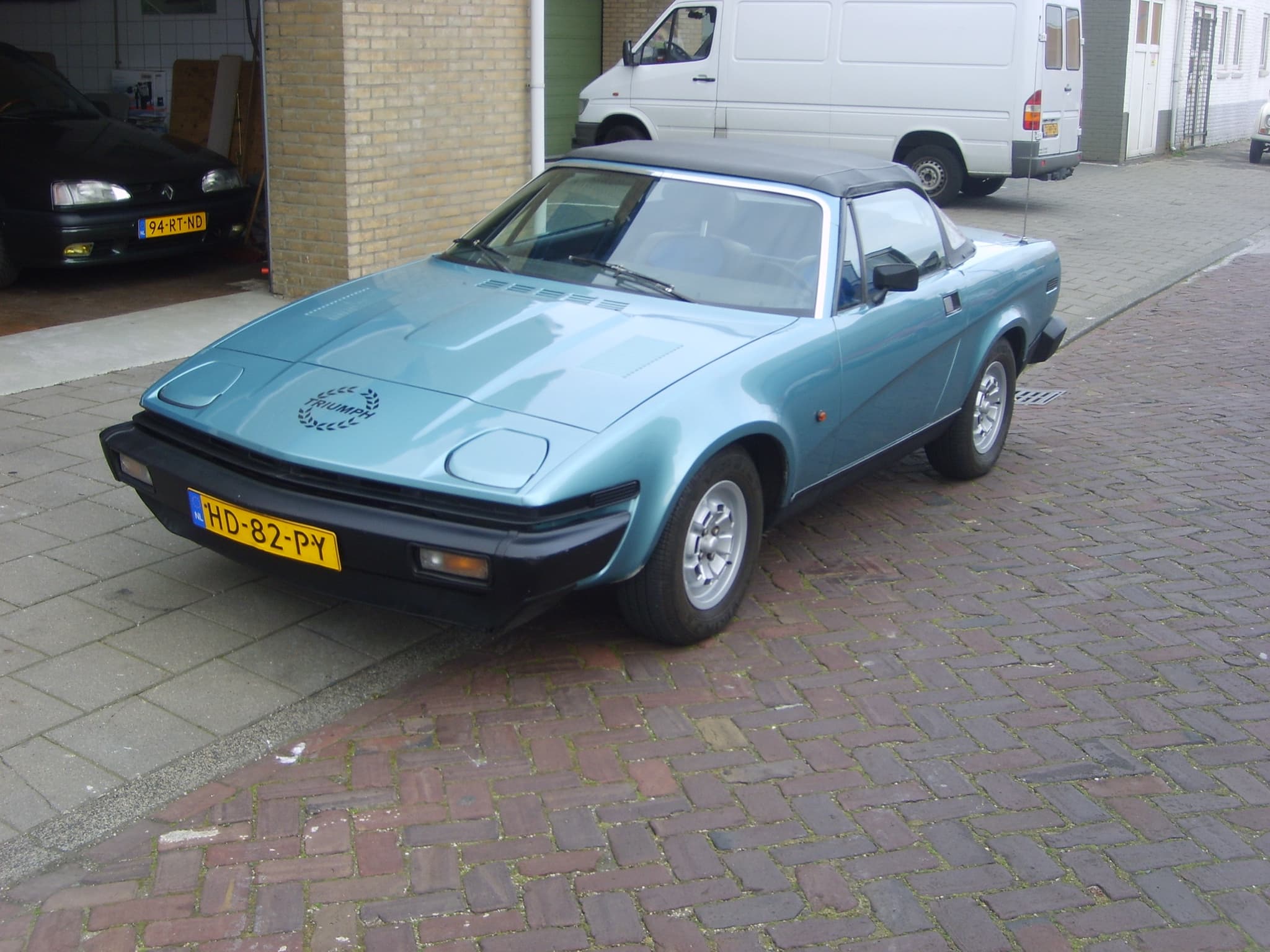
Triumph built the TR7 in two bodies. British Leyland's own lists called them the TR 7 FHC and the TR 7 DHC: a fixed-head coupé, from the first car, and a drophead coupé, which went on sale in 1979 and was the TR7 Drophead in Britain and the Triumph TR7 Convertible in North America. A third version, the 16-valve TR7 Sprint, was built in 1977 and never sold. The line-up shows the three.source 1source 2source 3source 4
The versions at a glance
| Version | Built | Where | What it is |
|---|---|---|---|
| Fixed-head coupé | September 1974 to October 1981 | Speke, Canley, Solihull | The original two-seater with a fixed roof; the only TR7 until 1979 |
| Drophead coupé, or convertible | January 1979 to October 1981 | Canley, Solihull | The open TR7, from a Michelotti prototype; on sale in America from July 1979 and in Britain from March 1980 |
| TR7 Sprint | February to October 1977 | Speke | A coupé with the Dolomite Sprint's 16-valve engine; pre-production cars only |
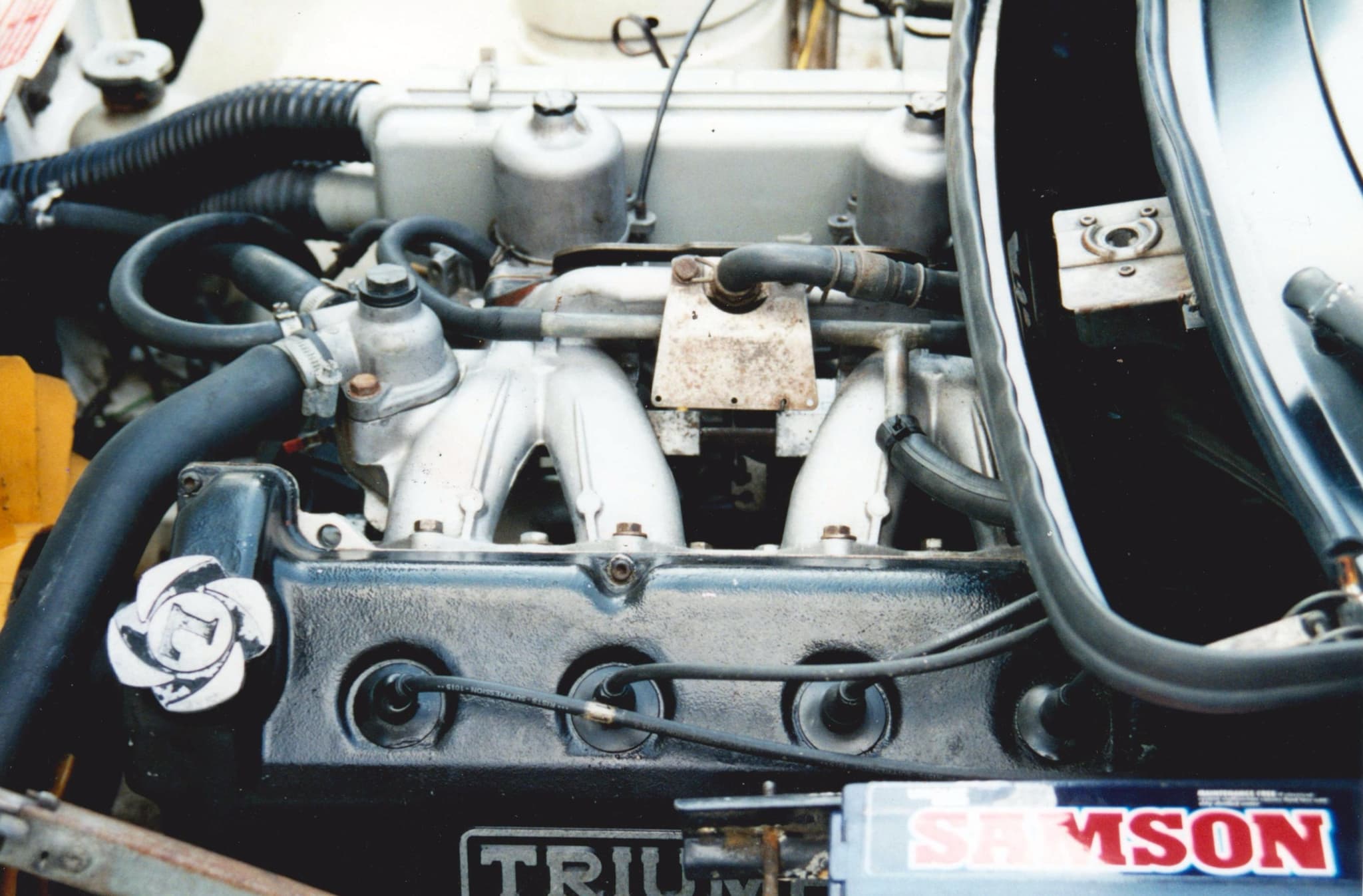
Every TR7 sold had the same engine: Triumph's slant-four with an eight-valve head, in two tunes. Britain and Europe had twin SU carburettors; America had a federal engine with lower compression, Zenith-Stromberg carburettors and, at the end, fuel injection. The gearbox (transmission) was a four-speed at first. Options came with the 1976 model year, the Rover SD1's five-speed and a Borg-Warner automatic, though California could not have the automatic, and during 1978 the five-speed became standard, as it was at Canley from the start.
Speke also built pre-production cars: the Sprints, about 10 convertibles in April and May 1978, and the V8 coupés of 1977 from which the TR8 grew. America had special editions of its own, and the TR Drivers Club adds a Premium.source 1source 5source 6source 7source 8source 9source 4source 10
Model-year and running changes
Triumph changed the TR7 as it went, and a car's details date it. The main changes:
| When | What changed |
|---|---|
| January 1975 | The American launch: the coupé, with a four-speed gearbox |
| 1976 model year | Five-speed and automatic gearboxes offered as options |
| Early 1977 | Springs shortened, lowering the ride by about 25 mm (1 in) |
| March 1977 | Tartan seat inserts, revised suspension settings, new wheel trims, map and boot (trunk) lamps |
| 1978 model year | Courtesy lights moved to the doors |
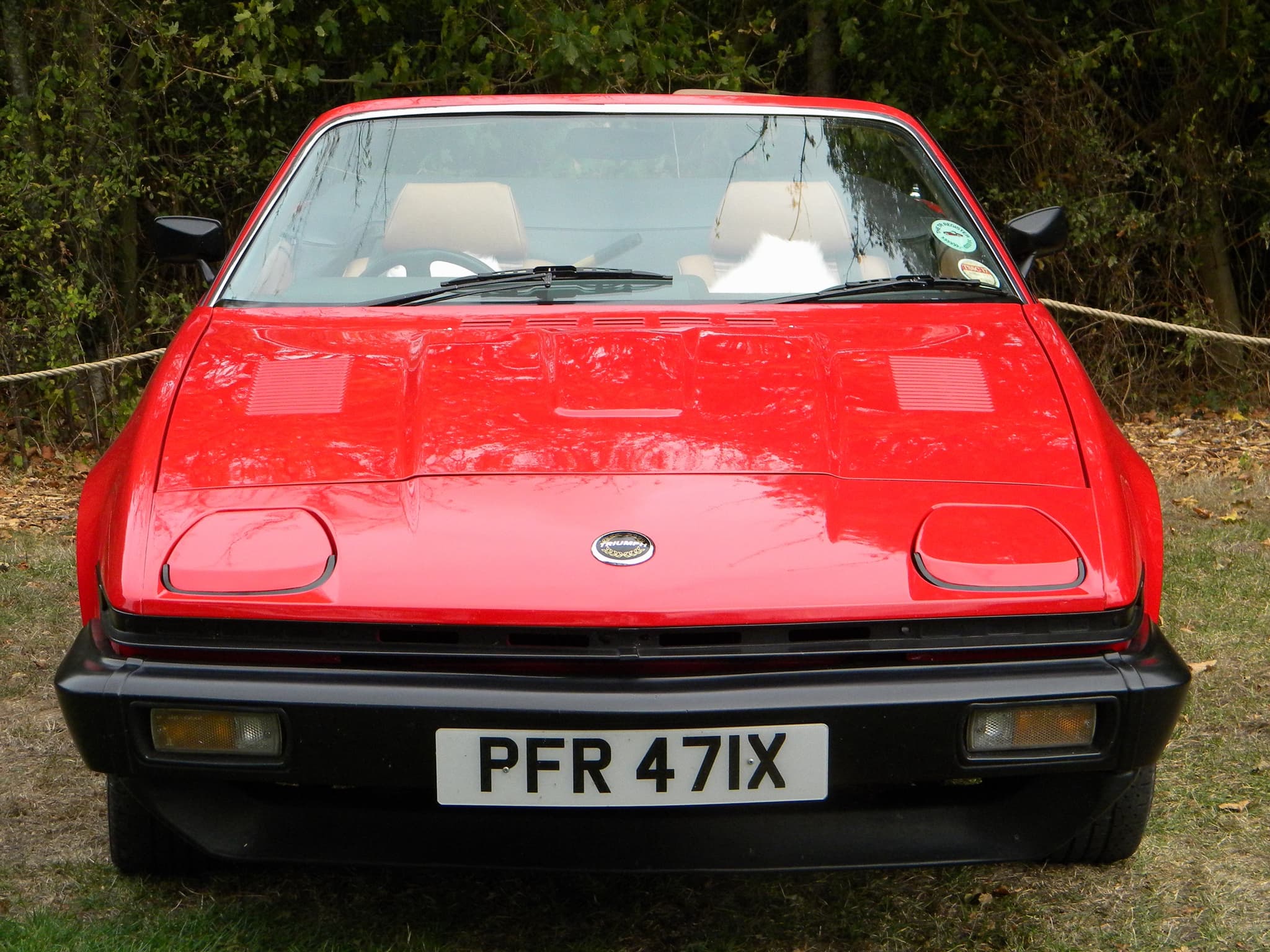
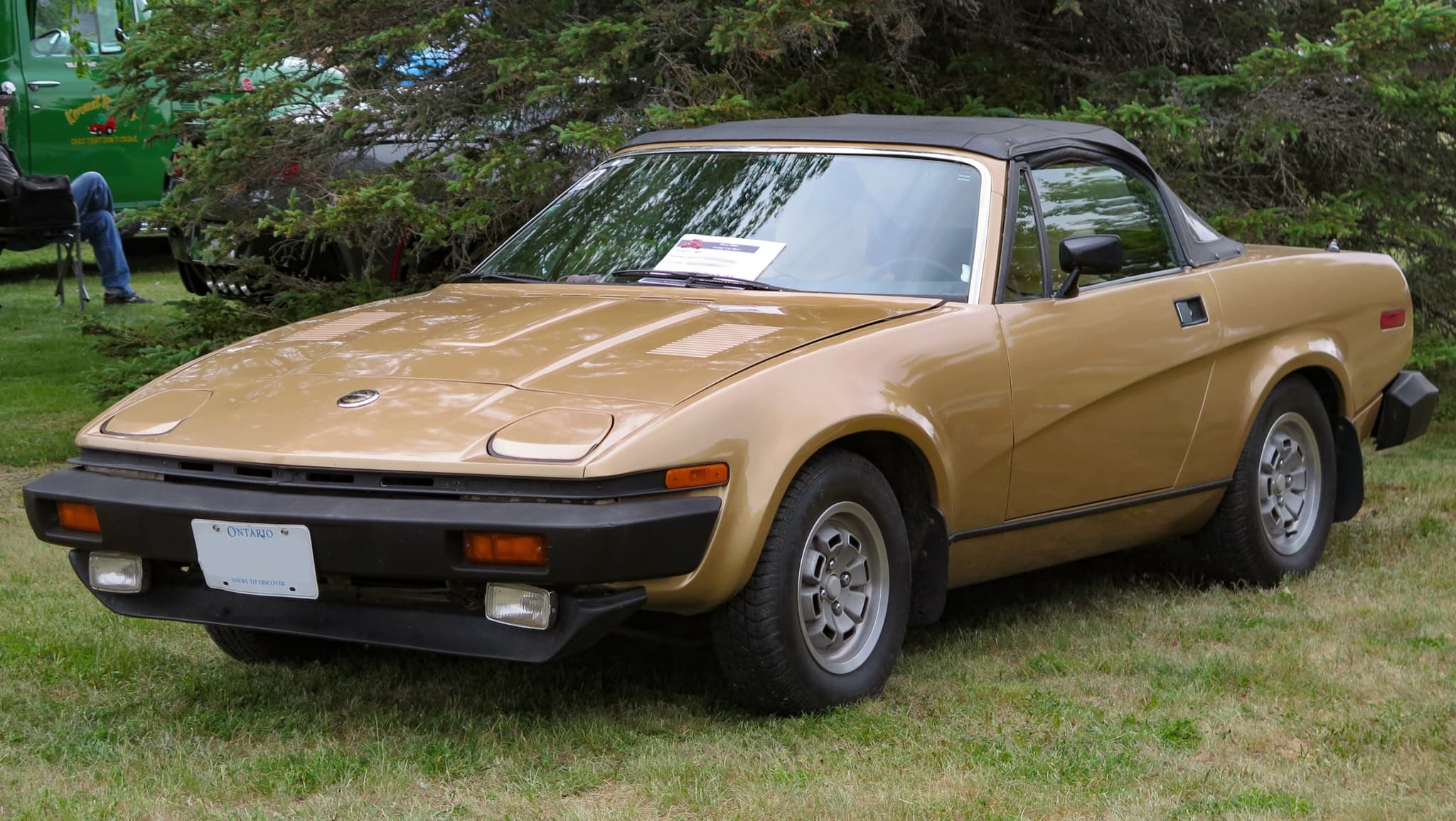
| October 1978 | Canley: the five-speed standard, an SD1-type axle and bigger rear drums, a laurel-wreath badge on the nose |
| 1979 model year | The convertible, for North America |
| Late in the 1979 model year | A second bulge on the bonnet (hood), made for the TR8's V8 |
| The 1980½ cars | A grey dash panel in place of the black one |
| March 1980 | Britain: the drophead; alloy wheels standard on the coupé; a front spoiler on both |
| From July 1980 | Bosch fuel injection on Californian cars, and on every American car for the 1981 model year |
The table's dates come from the period press and the clubs. The 1978 body's door lights are Graham Fountain's detail, in his account of the Sprints, and the grey panel is Road Test's, in July 1980. Wikipedia adds one more, from Bill Piggott's originality guide: a small round nose badge on the Solihull cars.source 9source 5source 6source 11source 4source 7source 12source 13source 14source 15source 16source 17
Markets
The TR7 was planned for America, and the differences between markets were mostly American ones. Each model year's American changes are on the North American TR7s page.source 1source 5source 9source 8source 18source 16source 17
| Market | How it is marked | What differed |
|---|---|---|
| United States, 49 states | V in the VIN; suffix U on earlier numbers | The federal engine with twin Zenith-Stromberg carburettors, and fuel injection for the 1981 model year; moulded overriders (bumper guards) that made the car longer; side markers; a padded steering wheel |
| California | Z in the VIN | A single carburettor and the lowest power at first, then fuel injection from July 1980; no automatic offered |
| Canada | L in the VIN; suffix M | The federal type, with its own striping, wheels and sales name |
| Britain | Home-market prefixes; right-hand drive | Twin SU carburettors and higher compression; short bumpers |
| Europe | Suffix L on earlier numbers | As Britain, with left-hand drive |
| Australia | K in the VIN; home-market prefixes | A federal-type engine for Australia's emissions rules, according to Wikipedia, citing What Car Is That? (1981) |
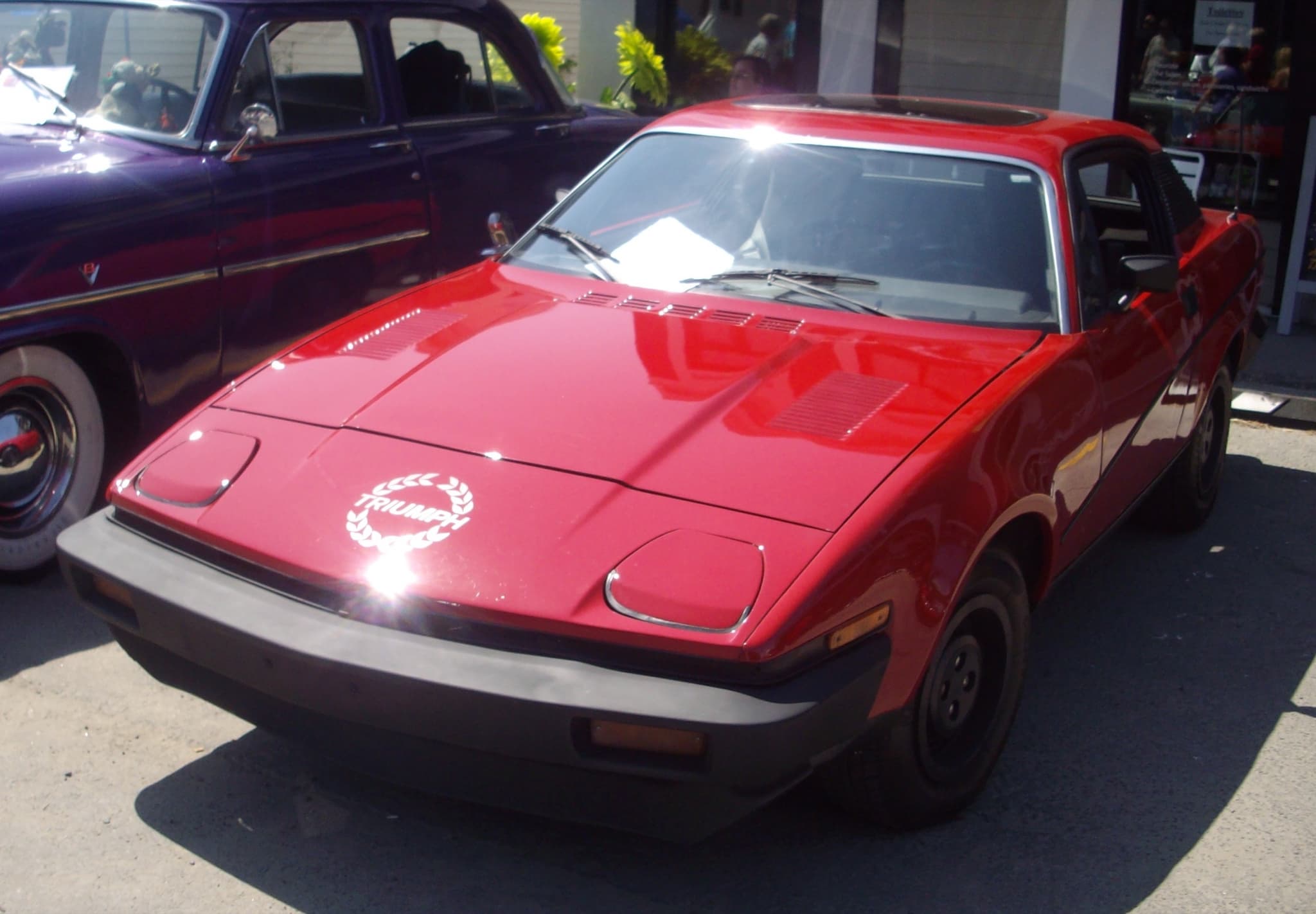
Colours
No source read gives a complete list of TR7 colours by year. The one factory list found is Rover Triumph's for the 1980 drophead and fixed-head cars, issued with the drophead's British launch:
| Colour | Shade |
|---|---|
| Midas | Gold, metallic |
| Platignum (as printed) | Silver, metallic |
| Poseidon | Dark green, metallic |
| Persian Aqua | Blue, metallic |
| Triton | Bright green, metallic |
| Pendelican | White |
| Carnelian | Bright red |
The 1980 trim was tan or navy. Earlier colour names survive in other sources: Inca Yellow, Tahiti Blue, Brooklands Green, Carmine Red and white among the Sprints the TR Drivers Club surveyed, and Java Green on the Lynx prototype. According to the TR Drivers Club, citing the Triumph Wedge Owners Association's paint research, the Spider's black was coded PCF and the Premium's PMA.
Inside, the early cars were black. Tartan inserts came in March 1977, in red, blue or green by Ate Up With Motor's account; Motor Sport found plaid on its Canley car in 1979; and Wikipedia, again citing Piggott, gives the Solihull cars ruched velour.source 2source 19source 20source 10source 5source 11source 7source 8source 17
The TR7 and the TR8
The TR8 was the TR7 with Rover's 3.5-litre V8, power steering, stiffer springs, a front subframe of its own and its battery in the boot, and almost all of the cars built were convertibles for North America, sold in 1980 and 1981. Its story, and its many production counts, will be told on its own site, triumph-tr8.com.
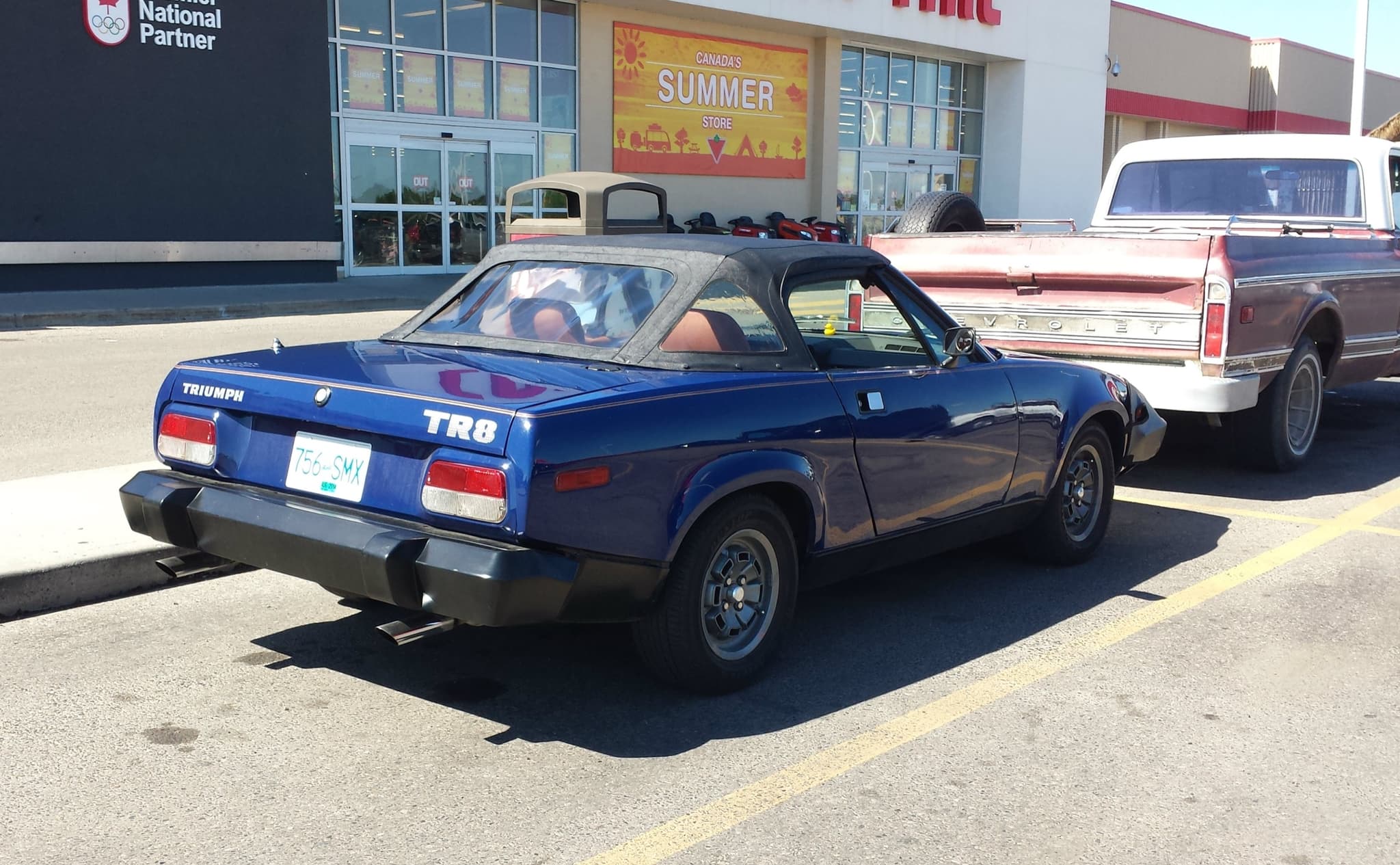
The two cars meet on this site in two places. The V8 coupés built at Speke in 1977 and at Canley in 1978 and 1979 were pre-production TR8s. And the works rally team's V8 cars were homologated on the TR8's papers but entered as TR7 V8s, and in 1978, Motor Sport reported, the press was asked to keep the TR8 name off the rally car. Their story is on rallying. Seen from behind, a TR8 has a tail pipe either side and its own badges; a TR7 has one pipe.source 5source 3source 1source 21
Versions
Sources for Versions
- Convertible
- 1998 cc: Jaguar Rover Triumph Canada (Burlington, Ontario), Triumph TR7 Convertible (sales brochure), Canada, c. 1979–80source 22; Rover Triumph (reprinted by the TR Drivers Club), "Triumph TR7 Drophead: Structural Engineering and Specifications" (press release), Press release, for release 2 Mar 1980source 2
- TR7 Sprint
- 1998 cc: Aaron Severson, "Way of the Wedge: The Triumph TR7 and TR8", Ate Up With Motor, 5 Feb 2012, pp. 1–5source 5
- maximum 60 built: Paul Towle and Rex Holford (update) and Mark Elbers (update), "TR7 & TR8 Identification & Production Data Explained", TR Drivers Club, 1987, updated (© 2016)source 1; Graham Fountain, "The TR7 Sprint Story", TR Driver (TR Drivers Club), 1991 no. 2source 4
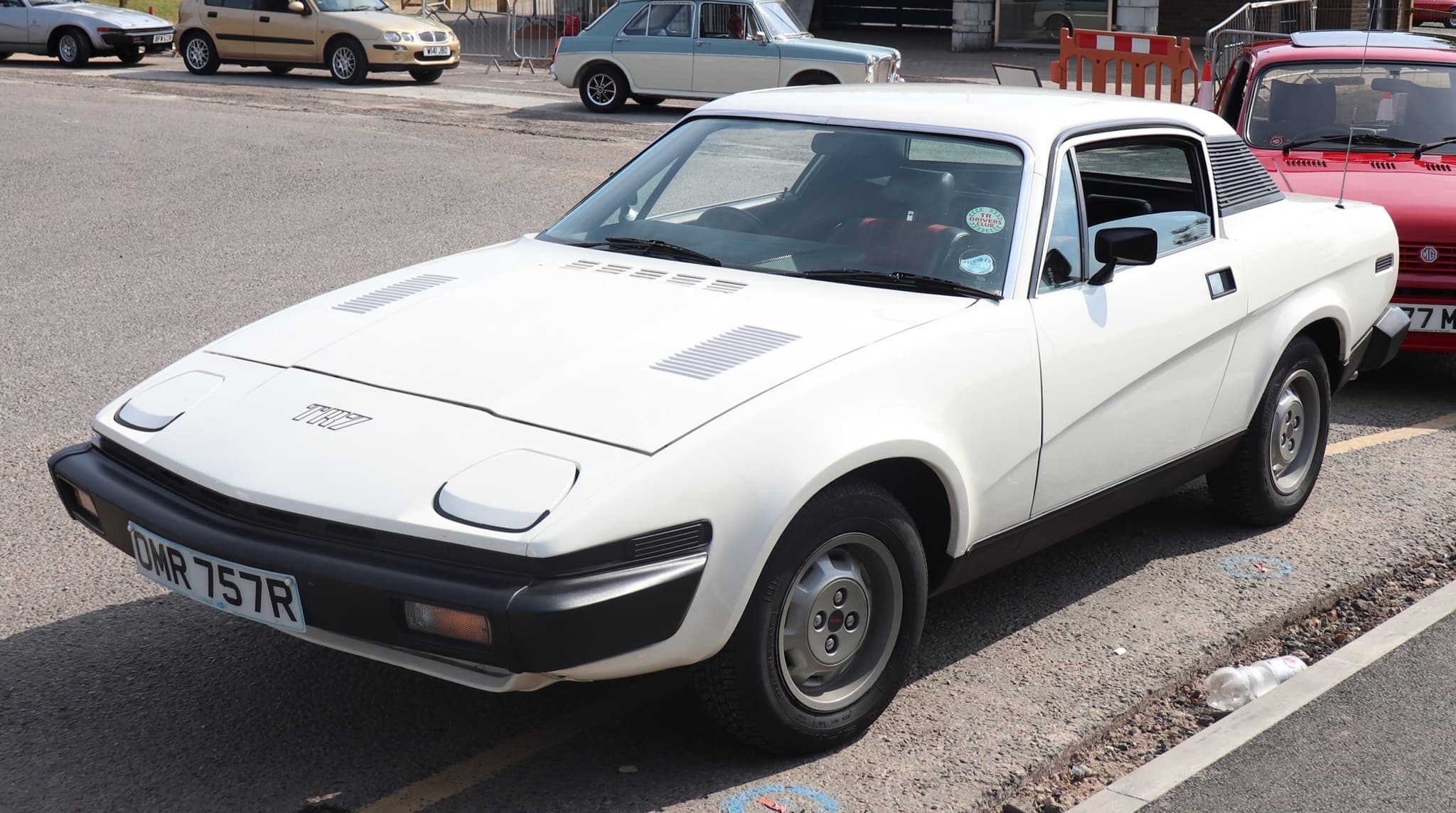
Coupe
1975–1981
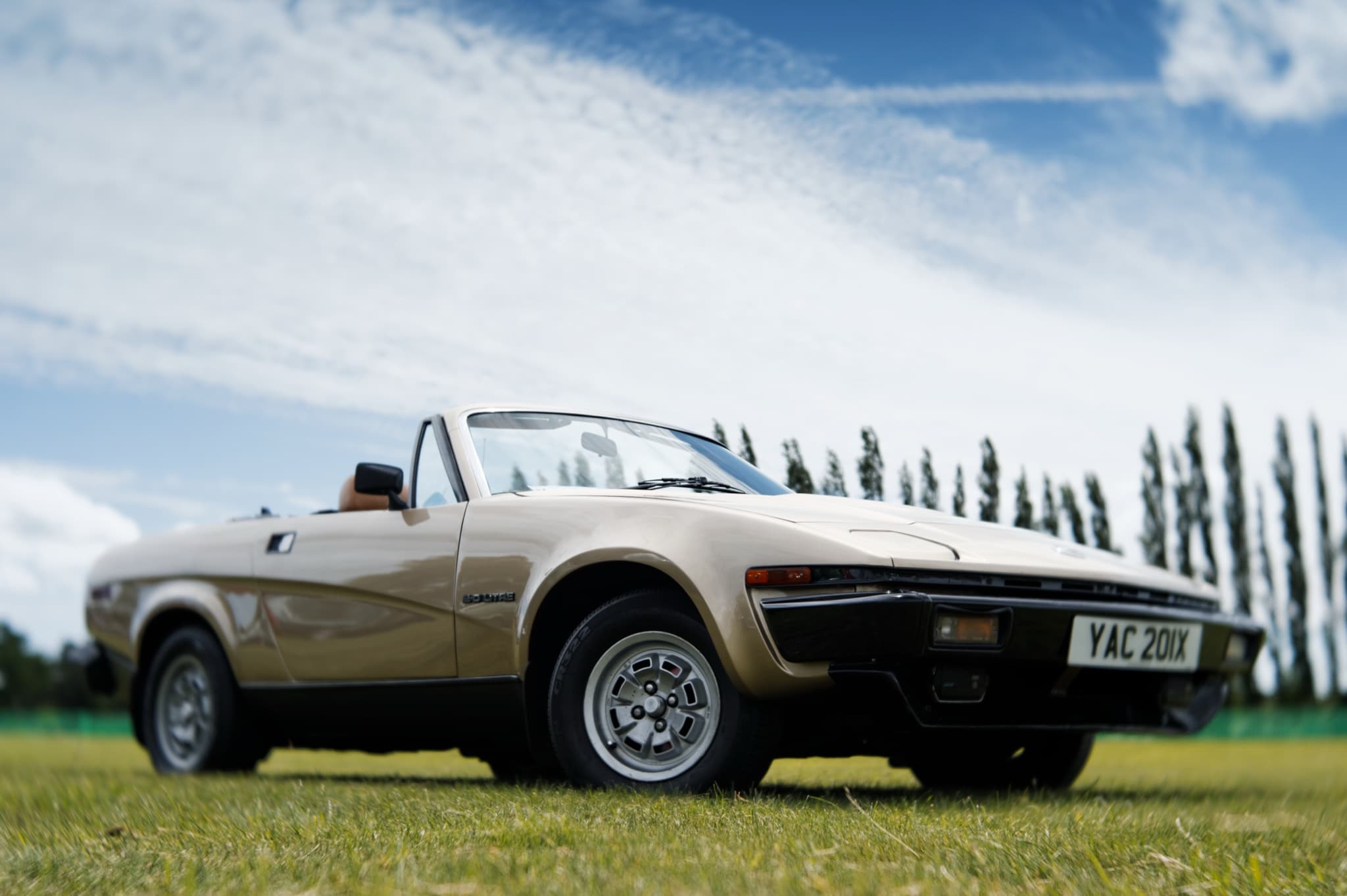
Convertible
1979–1981 · 1998 cc
TR7 Sprint
1977–1977 · 1998 cc
maximum 60 built
Pictures, top to bottom: Vauxford, CC BY-SA 4.0; pyntofmyld, CC BY 2.0; Graham.Fountain, CC BY-SA 3.0.
Sources
Every source the site cites is on the sources page.
- Primarymade at the time, by the maker or by people who were there
- Referenceserious later work: clubs, specialists, magazines, books
- Uncheckedencyclopaedias and enthusiast sites: cited beside a good source, named in the sentence, or marked Unchecked
- Paul Towle and Rex Holford (update) and Mark Elbers (update), "TR7 & TR8 Identification & Production Data Explained", TR Drivers Club, 1987, updated (© 2016), the bodies, prefixes and factories; FHC and DHC rows; ACH, ACN and ACT; Speke, Canley and Solihull; market codes in the VIN: V, Z, L and K; suffixes U, L and M; the home-market group; ACN (1977) and TCN pre-production V8 coupés; the TR8 rows; ACH prefix entry. trdrivers.com/tr7_-_tr8_vin_numbers.htm Reference
- Rover Triumph (reprinted by the TR Drivers Club), "Triumph TR7 Drophead: Structural Engineering and Specifications" (press release), Press release, for release 2 Mar 1980, "TR7 Drophead"; colours and trims of the 1980 drophead and fixedhead; specification, engine. trdrivers.com/articles21/tr7dhcengspec1.html Primary
- Thos L. Bryant, "New from Britain: Triumph TR7 Convertible & TR8", Road & Track (reprinted by the TR Drivers Club), 1979, "Triumph TR7 Convertible"; the TR8 for North America. trdrivers.com/articles21/newfrombritain1.html Primary
- Graham Fountain, "The TR7 Sprint Story", TR Driver (TR Drivers Club), 1991 no. 2, the Sprint never sold; the Sprint; the 1978 model-year body, with door-mounted courtesy lights; para. 2. trdrivers.com/articles21/tr7sprintarticle-1991.html Reference
- Aaron Severson, "Way of the Wedge: The Triumph TR7 and TR8", Ate Up With Motor, 5 Feb 2012, pp. 1–5, p. 2, the engine and its two tunes; p. 3, the gearbox options and California; p. 4, the convertible and the TR8; p. 2, the lower ride height and fuel injection; p. 3, the 1976 model-year options, the spring of 1977, the second bulge; p. 2, the federal engines and bumpers; p. 3, no automatic in California; p. 3, tartan inserts in red, blue or green; p. 4, the TR8's engine, steering, springs, subframe and battery; p. 2 (engine sidebar). ateupwithmotor.com/model-histories/triumph-tr7-tr8 Reference
- Malcolm Paris (compiler), "Triumph TR7 / TR7 V8 and TR8 Buyers Guide", TR Register, five-speed option from mid-1976, standardised from 1978; automatic from 1975; five-speed and automatic options. tr-register.co.uk/resources/buyers-guide/triumph-tr7-tr8 Reference
- Clive Richardson ("C.R."), "The Triumph TR7", Motor Sport, Jun 1979, p. 58, p. 58, five-speed standard at Canley; p. 58, the Canley changes; p. 58, the plaid-trimmed seats. motorsportmagazine.com/archive/article/june-1979/58/the-triumph-tr7 Primary
- Clive Richardson ("C.R."), "Triumph TR7: sports car or two-seater saloon?", Motor Sport, Jun 1976, p. 63, p. 63, the British engine; p. 63, the British car; p. 63, the black Broadcord trim of the launch cars. motorsportmagazine.com/archive/article/june-1976/63/triumpuh-tr7 Primary
- Clive Richardson ("C.R."), "The TR7 makes a quiet British bow", Motor Sport, Feb 1975, p. 30, p. 30, the American engine; p. 30, the launch car, four-speed; p. 30, the federal engine and the padded steering wheel. motorsportmagazine.com/archive/article/february-1975/30/the-tr7-makesa-quiet-british-bow Primary
- John Clancy, "The TR7 Jubilee – Limited Edition", TR Drivers Club, the Premium, paint code PMA; the paint codes PCF, PMA and PAG, from TWOA's research. trdrivers.com/articles21/tr7jubilee1.html Reference
- Motor Sport, News, editorials and short items on the TR7 (group), Jul 1975 – Aug 1981; Apr 2002, Apr 1977, p. 33, the March 1977 changes; Apr 1977, p. 33, the tartan trim. motorsportmagazine.com/archive Primary
- Keith Adams, "The Cars: Triumph TR7/TR8 development story", AROnline, updated 8 Feb 2024, the bonnet power bulge among the Canley changes. aronline.co.uk/cars/triumph/tr7-tr8/bullet-development-story Reference
- Road & Track, "Triumph TR8: Good news from the other side" (road test), Jun 1980, pp. 76–79, the bulge "added late in the 1979 model year". triumphtr8.com/tr8-press-articles-and-cuttings Primary
- Walt Woron, "1980 Triumph TR8 Convertible: RT's Selection for 'Best New Sports Car of 1980'", Road Test (US), Jul 1980, pp. 16, 83–86, p. 86, the grey dash panel of the '80½ TR7s. triumphtr8.com/tr8-press-articles-and-cuttings Primary
- "C.R.", "The Triumph TR7 Drophead" ("Sunshine Seven"), Motor Sport, Apr 1980, p. 35, p. 35, the 1980 British specification. motorsportmagazine.com/archive/article/april-1980/35/sunshine-seven Primary
- Michael Hart, "Counting TR7 Spiders: A Day at the Gaydon Archive", Triumph Wedge Owners Association, © 2013, fuel injection from 1 July 1980; every 1981 car injected; California injection from July 1980. triumphwedgeowners.org/spider Reference
- Wikipedia (EN), "Triumph TR7", 2026, the Solihull trims and badge, citing Piggott (2009); Australia, citing What Car Is That? (1981); trims, citing Piggott. en.wikipedia.org/wiki/Triumph_TR7 Unchecked
- Chris Cowin, "History: Exporting British cars to Canada – Part Two: The British Leyland Years", AROnline, 19 Aug 2025, the Canadian sales name; striping and wheels. aronline.co.uk/history/exporting-british-cars-to-canada-pt2 Reference
- Jim Johnson, TR7 Sprint articles (group): "The Original TR7 Sprint", "Update June 2005", "Early TR7 Sprint Competition Cars", TR Drivers Club, the Sprint survey's colours. trdrivers.com/articles21/tr7sprint2.html Reference
- Keith Cox, "Gaydon cars with a TR7 connection", TR Drivers Club, the Lynx, Java Green. trdrivers.com/articles21/gaydoncars.html Reference
- Jeremy Walton, "Abingdon finds a new Healey called Triumph", Motor Sport, Sep 1978, p. 30, p. 30, the rally car's name; its papers. motorsportmagazine.com/archive/article/september-1978/30/abingdon-finds-new-healey-called-triumph Primary
- Jaguar Rover Triumph Canada (Burlington, Ontario), Triumph TR7 Convertible (sales brochure), Canada, c. 1979–80, specifications, engine. archive.org/details/triumph-tr7-convertible-car-brochure Primary