Spen King and the Triumph TR7
The Rover engineer best remembered for the Range Rover, who ran Triumph's engineering after the 1968 merger: he led the TR7's engineering, and backed Triumph's own design against Longbridge's wedge, an argument he lost.
About the pictureA TR7 coupé of the type he engineered.
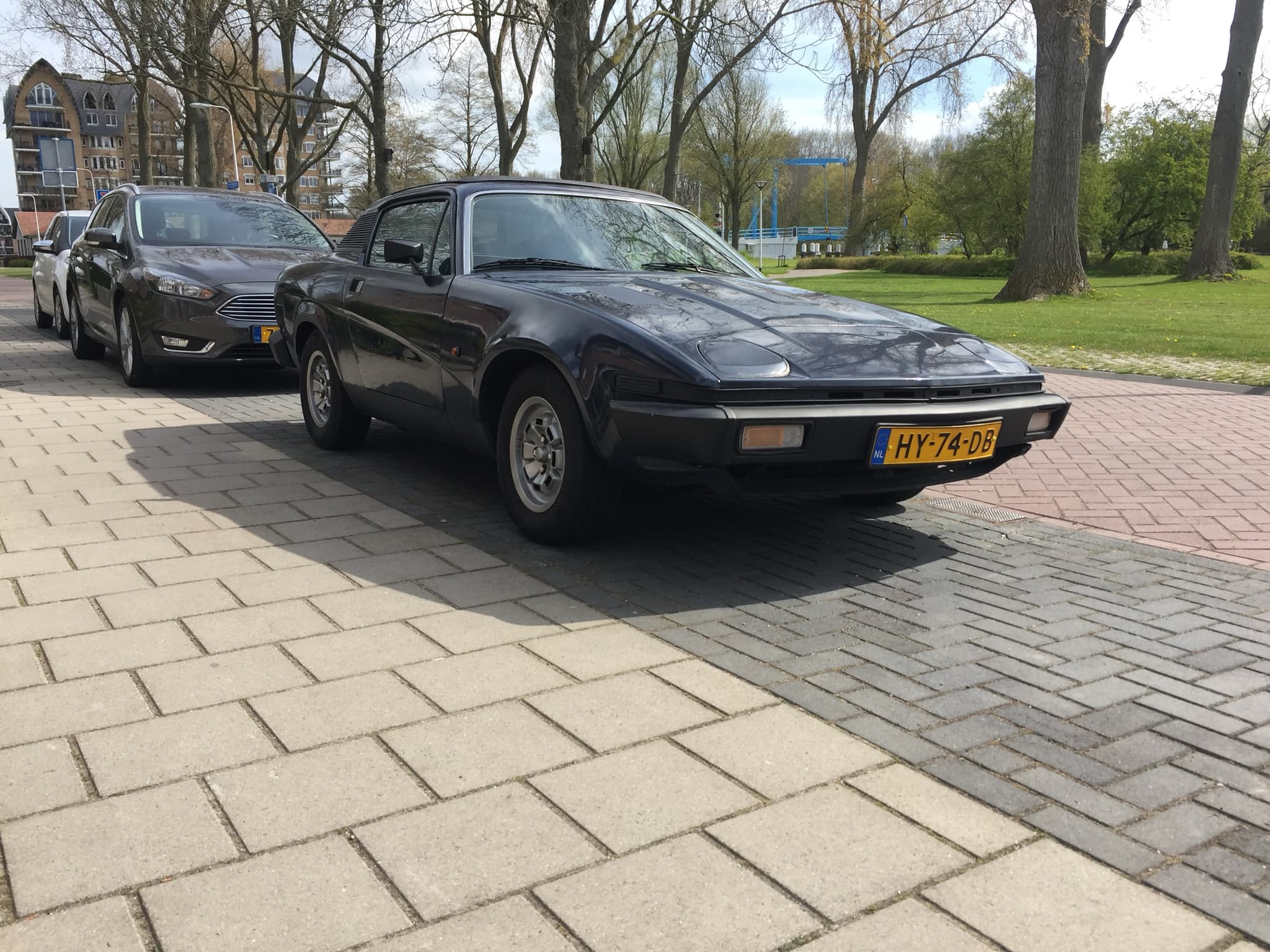
Spen King came to Triumph from Rover in the shake-up that followed the merger of 1968, and he was its technical director, or chief engineer, as AROnline calls him, through the years in which the TR7 was planned. He did not choose its shape: he argued for Triumph's own Bullet and lost to Longbridge's wedge. What lay under the wedge was his department's work, and its live rear axle reflected his views.source 1source 2source 3
From Rover
Sources for Spen King
Tim Pollard, "Spen King, Range Rover creator (1925–2010)", CAR, 2010source 4; Aaron Severson, "Way of the Wedge: The Triumph TR7 and TR8", Ate Up With Motor, 5 Feb 2012, pp. 1–5source 1; Keith Adams, "The Cars: Triumph TR7/TR8 development story", AROnline, updated 8 Feb 2024source 3; Motor Sport, News, editorials and short items on the TR7 (group), Jul 1975 – Aug 1981; Apr 2002source 5; Malcolm Paris (compiler), "Triumph TR7 / TR7 V8 and TR8 Buyers Guide", TR Registersource 2
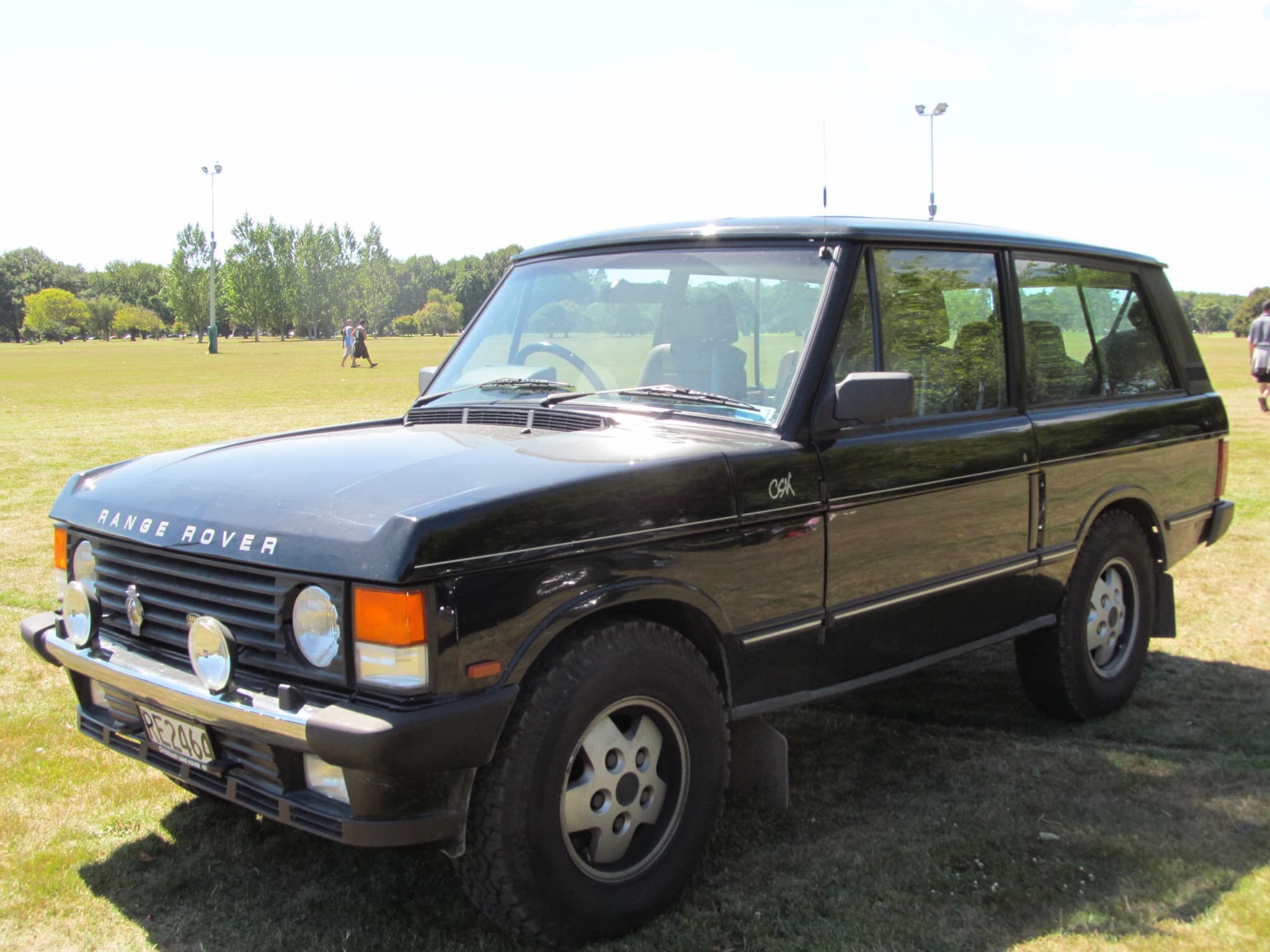
Charles Spencer King, known as Spen, was born in 1925. CAR, marking his death in 2010, called the Range Rover of 1970 the car he would be remembered for, after a Rover career that began in 1945 and made him chief engineer in 1959. After the merger he moved to Triumph as technical director in Harry Webster's place, Ate Up With Motor records.source 4source 1
Sounding out America
The layout
King was put in charge of the new car's development, and it kept a live rear axle: Ate Up With Motor puts that down partly to cost and partly to his long-held distrust of the independent rear suspensions of his time. AROnline thought he made it work:
King was an expert of honing conventional components into something comparable with more exotic rivals – and, even though the rear suspension was not independent, with careful development and thoughtful axle location, it proved possible to make the car ride and handle at least as well as its foreign rivals …
The styling decision
King backed Triumph's own design and brought in Giovanni Michelotti to help rework Bullet; when both designs went before BL's management in July 1971, he was one of only three people who spoke for it. Management chose the wedge, and Ate Up With Motor records that King then asked Lord Stokes, without success, to tone down its boldest features. Harris Mann's page tells the other side.source 1
Engines
Before the TR7, King had enlarged Triumph's V8 to 3 litres for the Stag, Ate Up With Motor writes. Who developed the TR7's 16-valve head is told two ways: AROnline says it was under development by King, while Ate Up With Motor credits Lewis Dawtrey, who had conceived the engine family, with the 16-valve version. It went into the TR7 Sprint and the works rally cars.
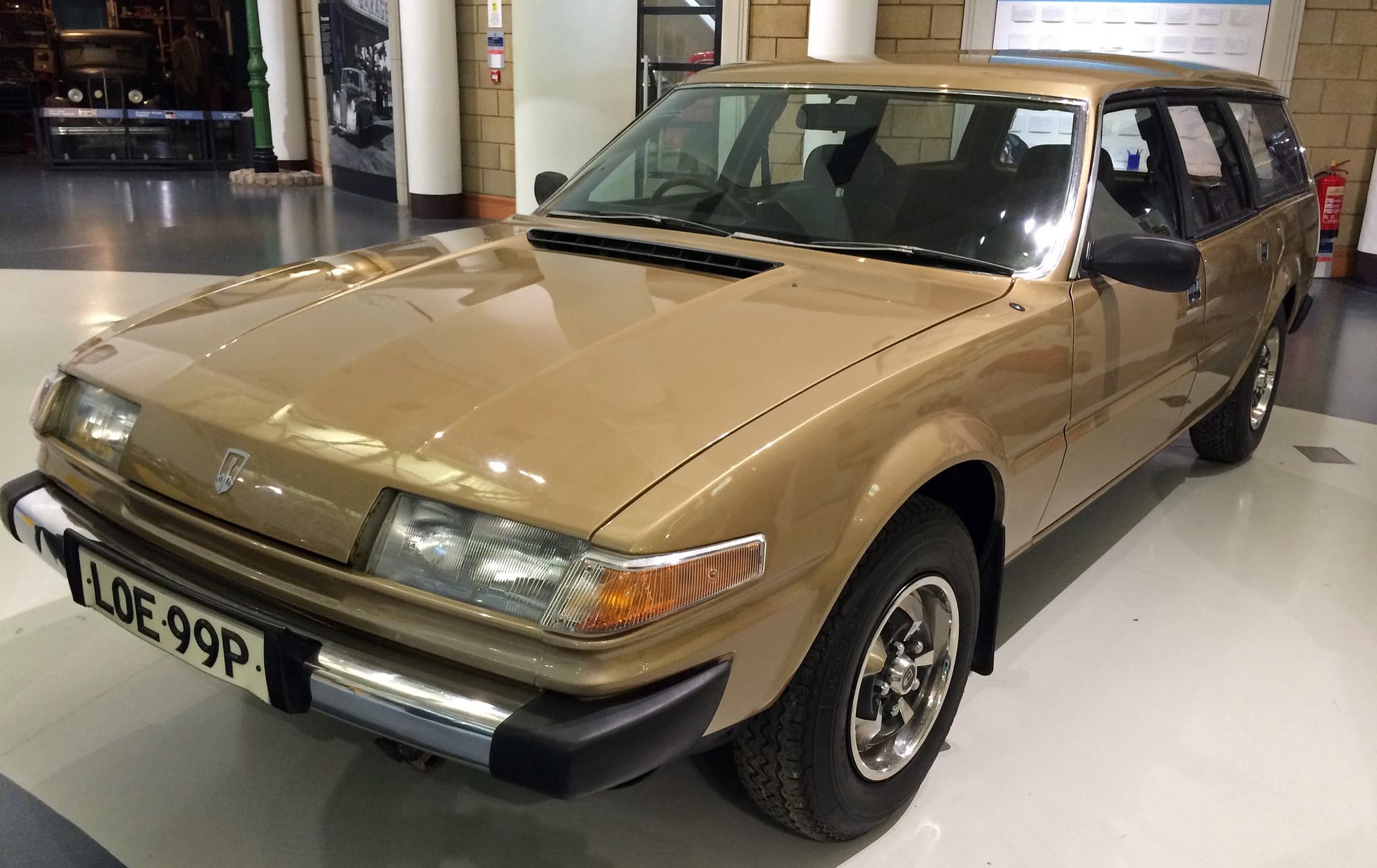
The Rover SD1, which Motor Sport reported in 1976, was his work too, and he was appointed CBE for it in 1978. The later TR7s used the SD1's five-speed gearbox (transmission) and a version of its rear axle.source 1source 3source 5source 6
Roles
- 1959
Chief engineer
Rover, which he joined in 1945
Tim Pollard, "Spen King, Range Rover creator (1925–2010)", CAR, 2010source 4
Sources
Every source the site cites is on the sources page.
- Primarymade at the time, by the maker or by people who were there
- Referenceserious later work: clubs, specialists, magazines, books
- Aaron Severson, "Way of the Wedge: The Triumph TR7 and TR8", Ate Up With Motor, 5 Feb 2012, pp. 1–5, p. 1, Triumph's technical director after the merger; p. 2, the new car's development; p. 1; p. 2; p. 1, succeeding Harry Webster; p. 2, in charge of the car's development; the four-link axle, cost and his view of independent rear suspension; p. 2, Michelotti's revision of Bullet; the July 1971 presentation; Stokes and the Longbridge design; p. 2, the Stag's V8; Dawtrey and the 16-valve version. ateupwithmotor.com/model-histories/triumph-tr7-tr8 Reference
- Malcolm Paris (compiler), "Triumph TR7 / TR7 V8 and TR8 Buyers Guide", TR Register, the engineering lead, technical director. tr-register.co.uk/resources/buyers-guide/triumph-tr7-tr8 Reference
- Keith Adams, "The Cars: Triumph TR7/TR8 development story", AROnline, updated 8 Feb 2024, Triumph's chief engineer at the time; Carver and King's trip, late 1970; "King was an expert of honing conventional components …"; the 16-valve head under development by King. aronline.co.uk/cars/triumph/tr7-tr8/bullet-development-story Reference
- Tim Pollard, "Spen King, Range Rover creator (1925–2010)", CAR, 2010, Rover from 1945; chief engineer, 1959; the Range Rover, 1970; 1925–2010. carmagazine.co.uk/features/opinion/tim-pollard/remembered-spen-king-range-rover-creator-1925-2010 Reference
- Motor Sport, News, editorials and short items on the TR7 (group), Jul 1975 – Aug 1981; Apr 2002, Jul 1976, p. 21; Jul 1976, the SD1; Aug 1978, the CBE. motorsportmagazine.com/archive Primary
- Clive Richardson ("C.R."), "The Triumph TR7", Motor Sport, Jun 1979, p. 58, p. 58, a version of the SD1 axle. motorsportmagazine.com/archive/article/june-1979/58/the-triumph-tr7 Primary